For many waiting along Winnipeg’s roads, the sound of roaring bus engines is a common occurrence. However, they can expect a lot more quiet when Winnipeg Transit’s latest additions hit the streets this spring.
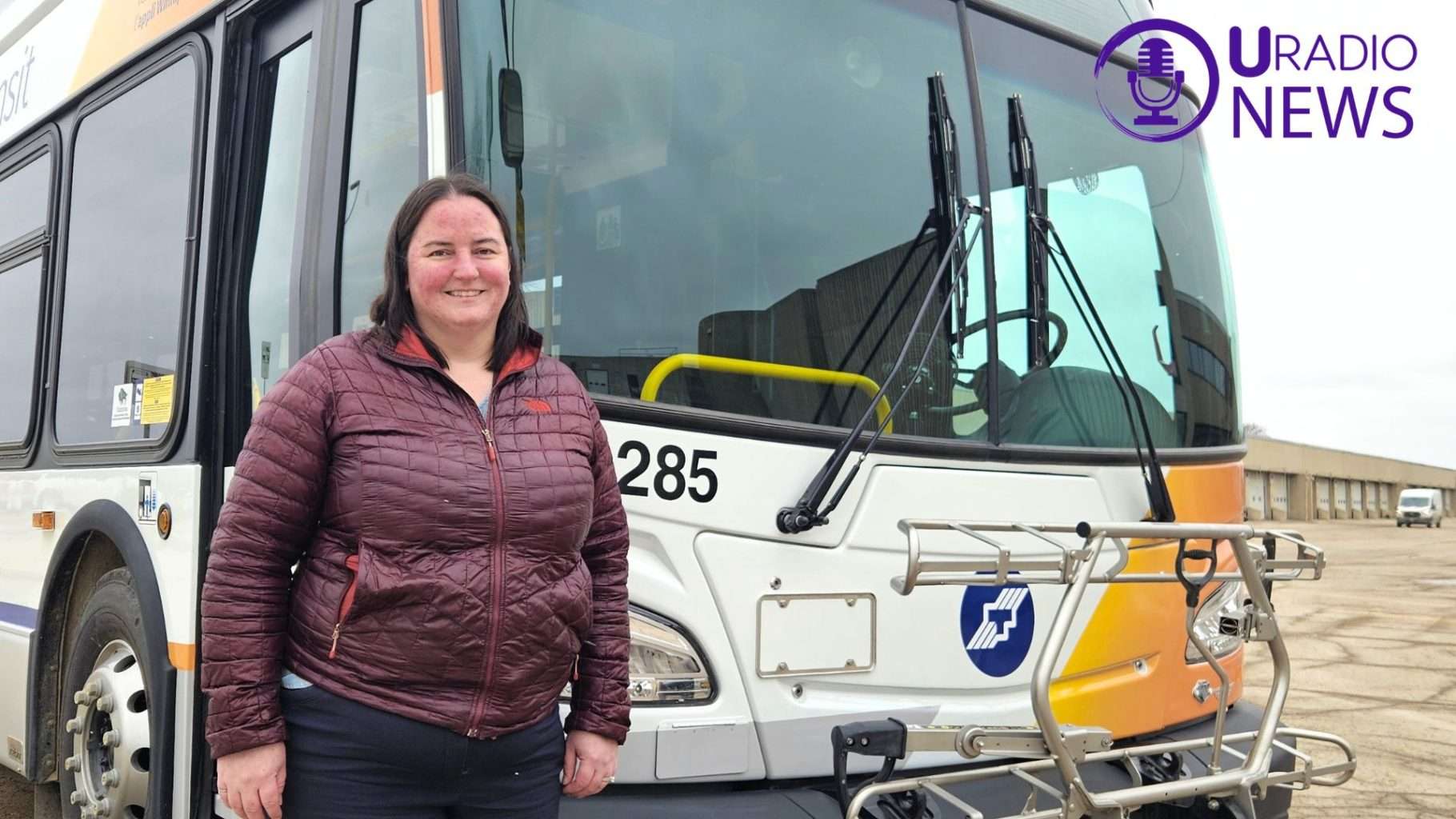
Winnipeg has now welcomed its second zero-emissions bus, or ZEB, to its fleet as it transitions from diesel vehicles. $280 million through the Investing in Canada Infrastructure Program (ICIP) is being used to rehaul Transit’s infrastructure and vehicles.
Erin Cooke, Project Manager for the Transition to Zero-Emission Bus program, explains.
“Hydrogen infrastructure has been one of the challenges. That’s not really established in Manitoba right now. So that’s one of the challenges that we’re looking at these buses right now. We actually have to build our own hydrogen generation station here. So, that’s why we’ll be operational later this year. So we have a little bit of gaps in getting this on the road and into regular service until that station’s operational. The power needed for these buses is huge. So, we’re working with Manitoba Hydro to scale up all of our infrastructure.”
Sixteen zero-emission buses have been purchased as part of the Transition Fleet Project. Four 40-foot and four 60-foot fuel-cell battery-electric buses and four 40-foot and four 60-foot battery-electric buses will be tested to see which ZEBs are most effective here in Winnipeg.
“We are going to be looking at how long each must go before refuelling. Yeah. So, the hydrogen buses you refuel with hydrogen, and it’s about a ten-minute process for fuelling. Once our station is fully operational, the buses will be ready to go for about 20 to 24 hours straight. So it’s still a little less than a diesel bus but more than enough to do a full-day operation. The battery electric b uses have about 440kW of battery capacity. So those have to charge for 3 to 4 hours.”
The results of this testing will determine which technology Winnipeg Transit will prioritize in the long run.
At first glance, the new buses may not appear dramatically different. They maintain the familiar layout and accessibility features, including updated colour-coded seating that aligns with the Accessibility for Manitobans Act. However, passengers will immediately notice the quiet ride and the smoother experience on the road.
Cooke says the new buses are just part of what’s on the horizon for transit customers, with Winnipeg undergoing a significant route overhaul this June.
“We’re undergoing two of the biggest changes. The network is the biggest change that people will see on the street, and transitioning to zero-emission is the biggest internal change that we’re undergoing. It really touches everything that we do here. Every department is impacted by this, and people are going to see this. But what you’re going to see is better service.”
Winnipeg Transit aims for 30 per cent electrification by 2030 and a fully zero-emission fleet by 2045 or sooner. The city has already ordered 24 additional battery-electric buses, with another 50 planned under this program in the next two years.
Winnipeggers can expect to see the first ZEBS in mid-March, with limited use in April during the Spring schedule change. Transit’s second order of ZEBs is expected in early 2026.