









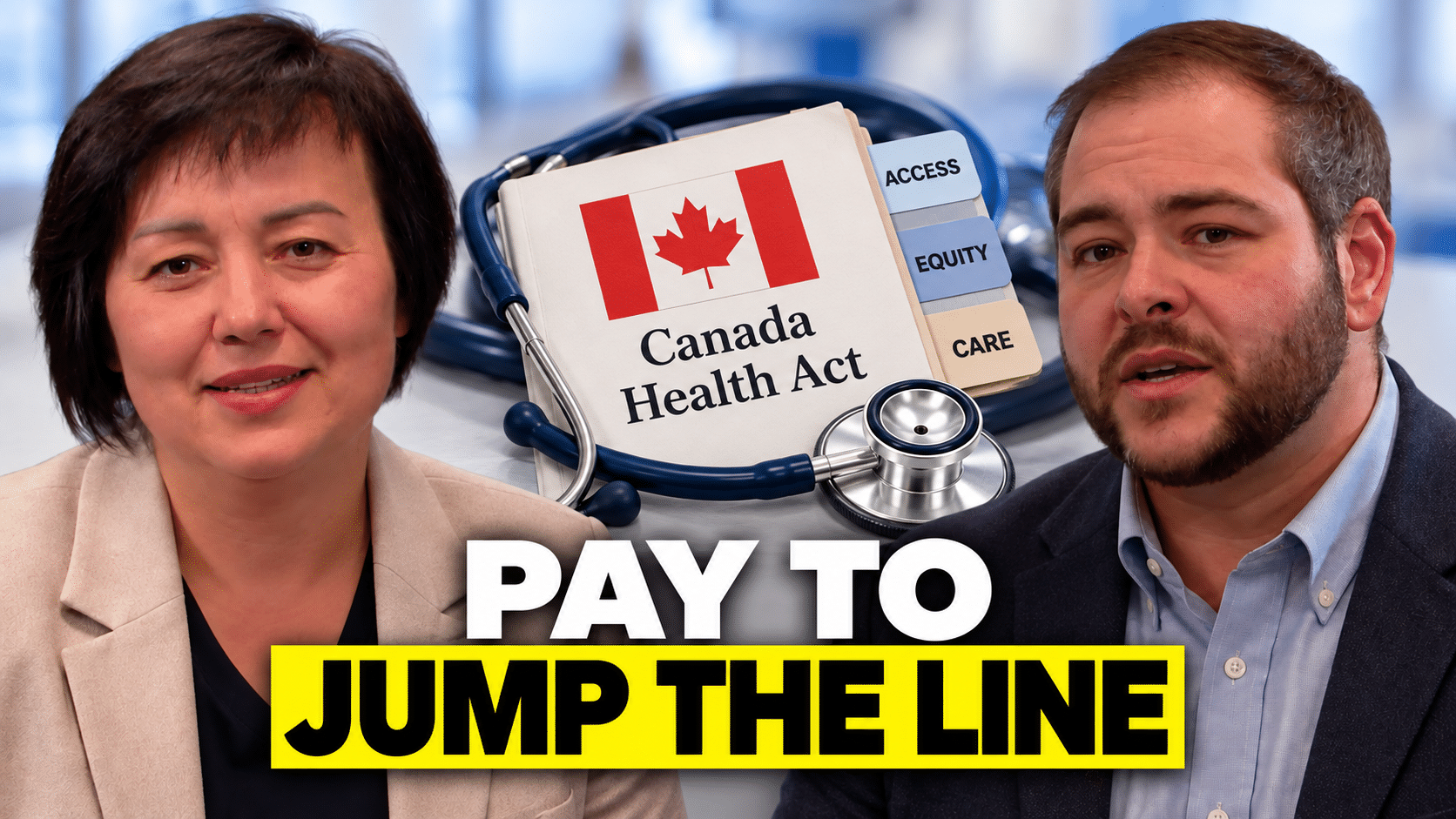
Canada’s healthcare debate often becomes emotional because it affects something deeply personal: our ability to get care when we need it. On this episode of Health Connect on U Multicultural Channel, host Ruslana Kharkovenko sat down with Noah Schulz, Provincial Director of the Manitoba Health Coalition, to discuss public healthcare, privatization, patient choice, insurance, and the growing controversy around two-tier healthcare.
Schulz explained that the Manitoba Health Coalition is a non-profit advocacy organization focused on protecting and improving publicly funded healthcare. “We like to think we represent all of Manitobans because we’re fighting to improve the public healthcare system for all of us,” he said.
One of the most debated topics was Alberta’s move toward a larger private healthcare role. Critics argue that private options could shorten wait times. Schulz sees a different risk. He warned that allowing patients to pay for faster access could pull doctors and resources away from the public system without creating additional healthcare capacity.
A striking example involved surgery wait lists. Schulz described a scenario where a patient could wait months in the public system or pay tens of thousands of dollars for faster treatment. His concern is simple: “The real issue is because it doesn’t suddenly create twice as many doctors and surgeons.”
The conversation also examined Manitoba’s laboratory services. Schulz pointed to Dynacare’s dominant position in community lab testing and argued that private monopolies do not necessarily lead to better outcomes for workers or patients. According to him, healthcare differs fundamentally from consumer markets because access to treatment can determine quality of life, recovery, and survival.
What made the discussion especially compelling was the human side. Schulz spoke about growing up in a low-income family and reflected on how affordability impacts healthcare decisions. He also shared concerns about regional disparities, recalling that when he lived in Thompson and attended school in rural Manitoba, access to physicians was far less reliable than in Winnipeg.
The interview highlighted a question many Canadians continue to wrestle with: should healthcare function as a market service, or remain a universal public right? The answer may shape the future of healthcare across the country.
Yuliia Kovalenko, U Multicultural Journalism