









It’s safe to say drag has exploded in popularity over the past decade. RuPaul’s Drag Race remains a powerhouse on television, completing its 18th season and spawning dozens of spin-off series, including six seasons of Canada’s Drag Race.
Drag also thrives in cities like Winnipeg, grown and supported by community. Despite its population compared to cities like Toronto or Montreal, the Winnipeg drag scene is immensely diverse. It’s home to Drag Queens, Drag Kings, non-binary drag artists, people of all backgrounds, and a deeply-rooted community of Indigenous performers.
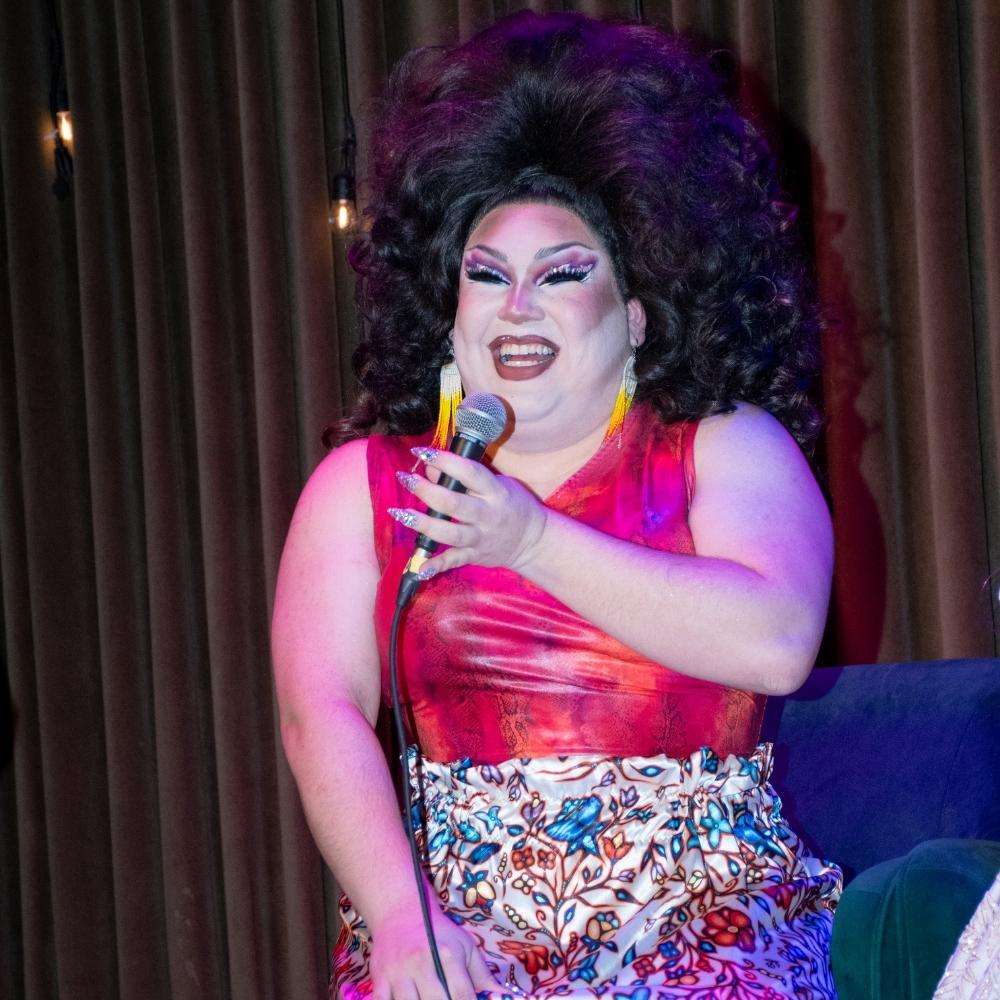
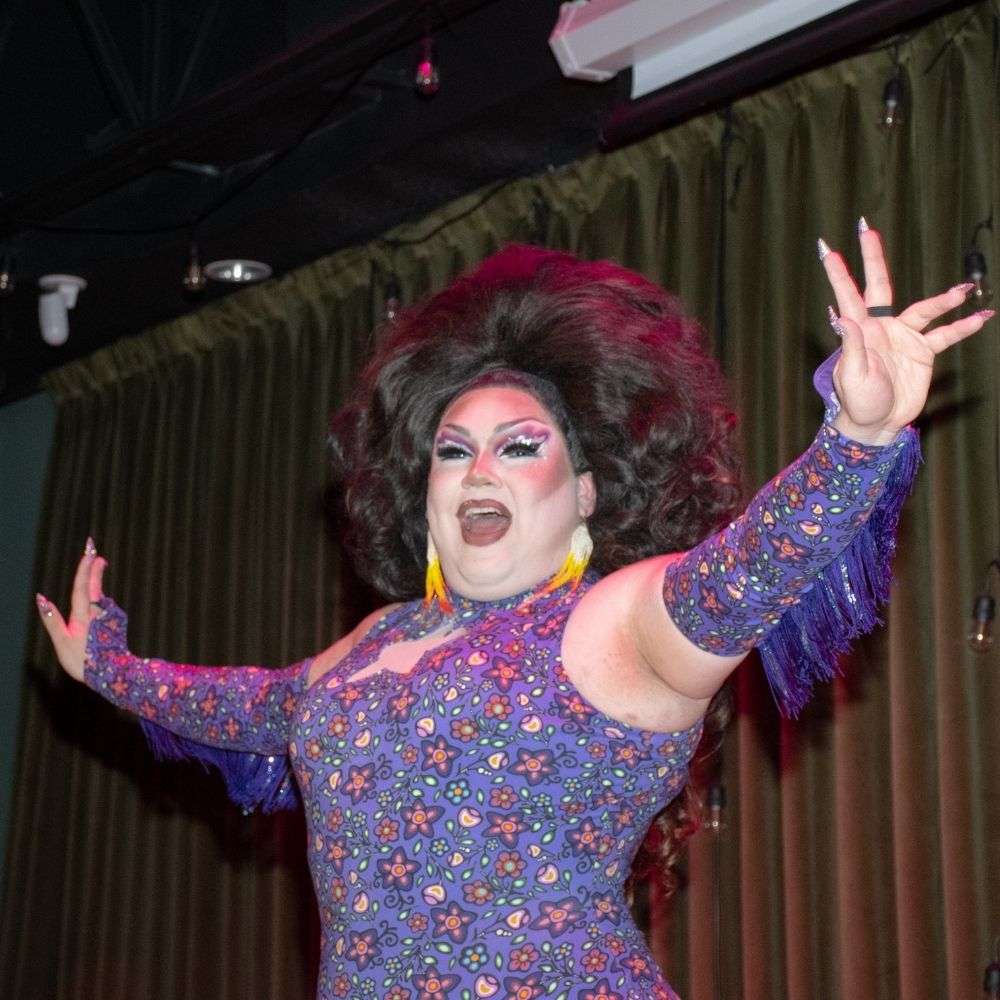
Rather than being defined by scale, Winnipeg’s drag culture is defined by connection, and Waaseyaa Haze has been crowned Rainbow Resource Centre’s new Drag Artist in Residence (DAiR) for 2026.
Waaseyaa Haze will serve as the face and voice of Rainbow Resource Centre’s Pride Season Campaign, and the title of drag artist is an intentional distinction. “It’s not the drag queen in residence, it’s the drag artist in residence,” explained Shane Thevenot, Rainbow Resource Centre’s Program Manager of Communications and Engagement. “Drag has a long history and a very diverse history. It’s not just drag queens.”
Ms. Haze, full of excitement, said being chosen was a tremendous honour and a huge opportunity. Although the responsibility does come with some fear, the feeling of excitement is much more powerful. “For me, it means growing as a drag artist. I really wanted to challenge myself. So I’m really happy that in this position I’m able to grow.”
However, unlike large metropolitan cities like Toronto or Montreal, and despite the enthusiasm and talent of local performers, doing drag full-time in Winnipeg is unfortunately not an option. The DAiR program was created to alleviate that, providing access to rehearsal space and storage, as well as a $2,000 stipend. Recognizing that art requires resources as much as passion.
“Our mission is to nurture inclusive spaces for our LGBTQ+ communities,” Thevenot said. “Not just to survive, but to thrive.”
That support is especially critical in a city where drag is rarely a full‑time career.
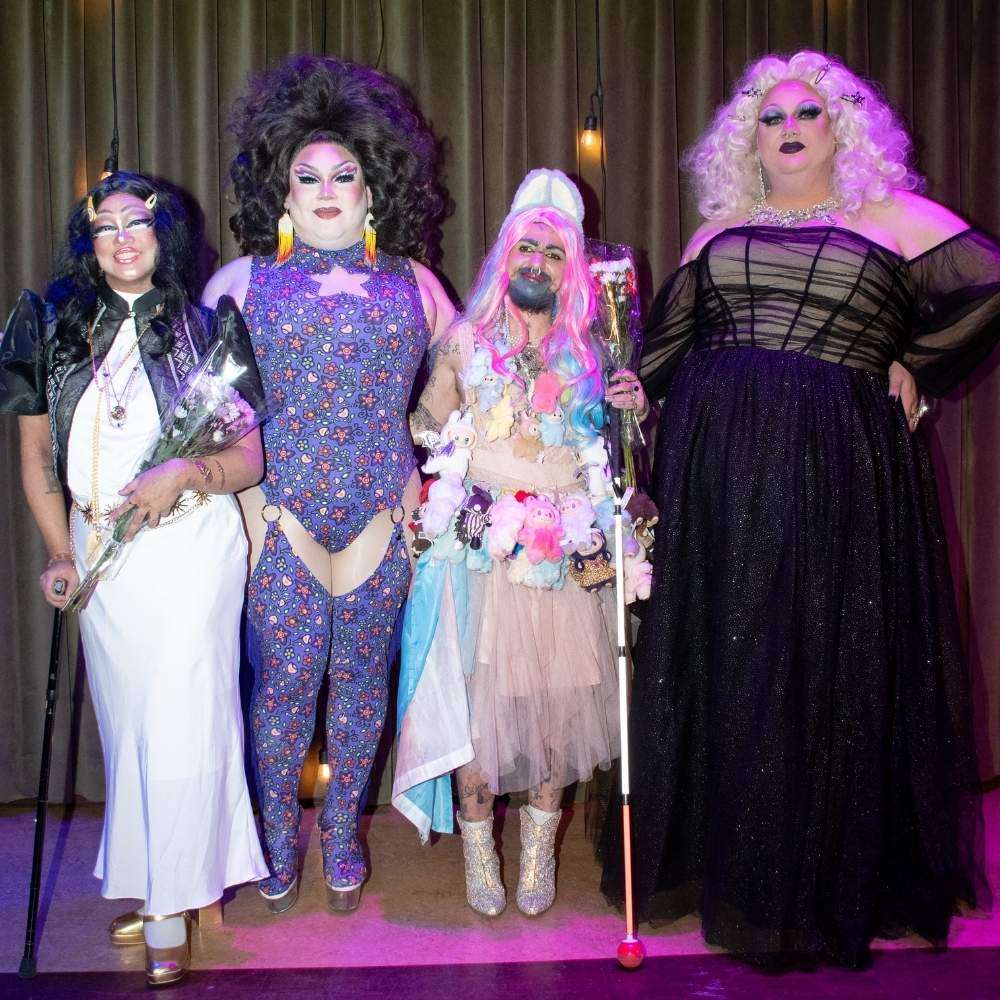
“I can’t really think of a queen or a king or an artist in Winnipeg who can do drag as their full-time job,” explained Cake, former DAiR and judge at the sold-out Drag Artist in Residence Showcase back in February. “It was very cool to see a program that was designed to provide that sort of access to resources and financial sustainability for this art form.”
Equity is also central to the program’s design, with careful consideration for systemic barriers faced by Indigenous artists, artists of colour, trans performers, and artists living with disabilities.
“Our scene is incredibly diverse,” Cake said. “Indigenous performers are foundational here.
An Anishinaabe performer with roots in Peguis First Nation, Waaseyaa Haze grew up in a small rural town west of Winnipeg. That background deeply informs her work and her goals for her residency.
“It’s very special that they chose an Indigenous person this year to represent Rainbow Resource Centre,” she said, “it also just means being that representation in a public way.” As an Anishinaabe performer, she intentionally weaves her Indigeneity into her work. That visibility matters not only in urban centers like Winnipeg, but also for rural and Indigenous communities where queer representation can be limited or absent.
She plans to invest in dance and acting training while continuing to improve her costume‑making skills, particularly structured garments and corsetry. She also hopes to give back through sewing workshops and skill‑sharing with other performers. As she works on improving her craft, she is also encouraging other young queer people and aspiring drag artists not to be afraid to take chances. Do it because you love the art form. It’s okay to be a little rough around the edges.”
As Waaseyaa Haze steps into her role as Drag Artist in Residence, she dreams of building a community that inspires each performer to become the star they know they can be.
– Ryan Funk, U Multicultural