








Violent and non-violent hate crimes have been on the rise year after year in Canada. Violent hate crimes have increased by 12 percent, while non-violent hate crimes have risen by 3 percent. Islamophobia remains a widespread issue, not only in Canada but also in Western culture.
In the study titled “Documenting the ‘Palestine Exception’: An Overview of Trends in Islamophobia, Anti-Palestinian, and Anti-Arab Racism in Canada,” it was found that following the events of October 7, 2023, in some areas, incidents of Islamophobic and anti-Palestinian hate crimes surged by as much as 1,800 per cent. Additionally, in the recent New York City mayoral election, Zohran Mamdani was elected; however, many of the campaigns against him often utilized Islamophobic narratives to portray him negatively.
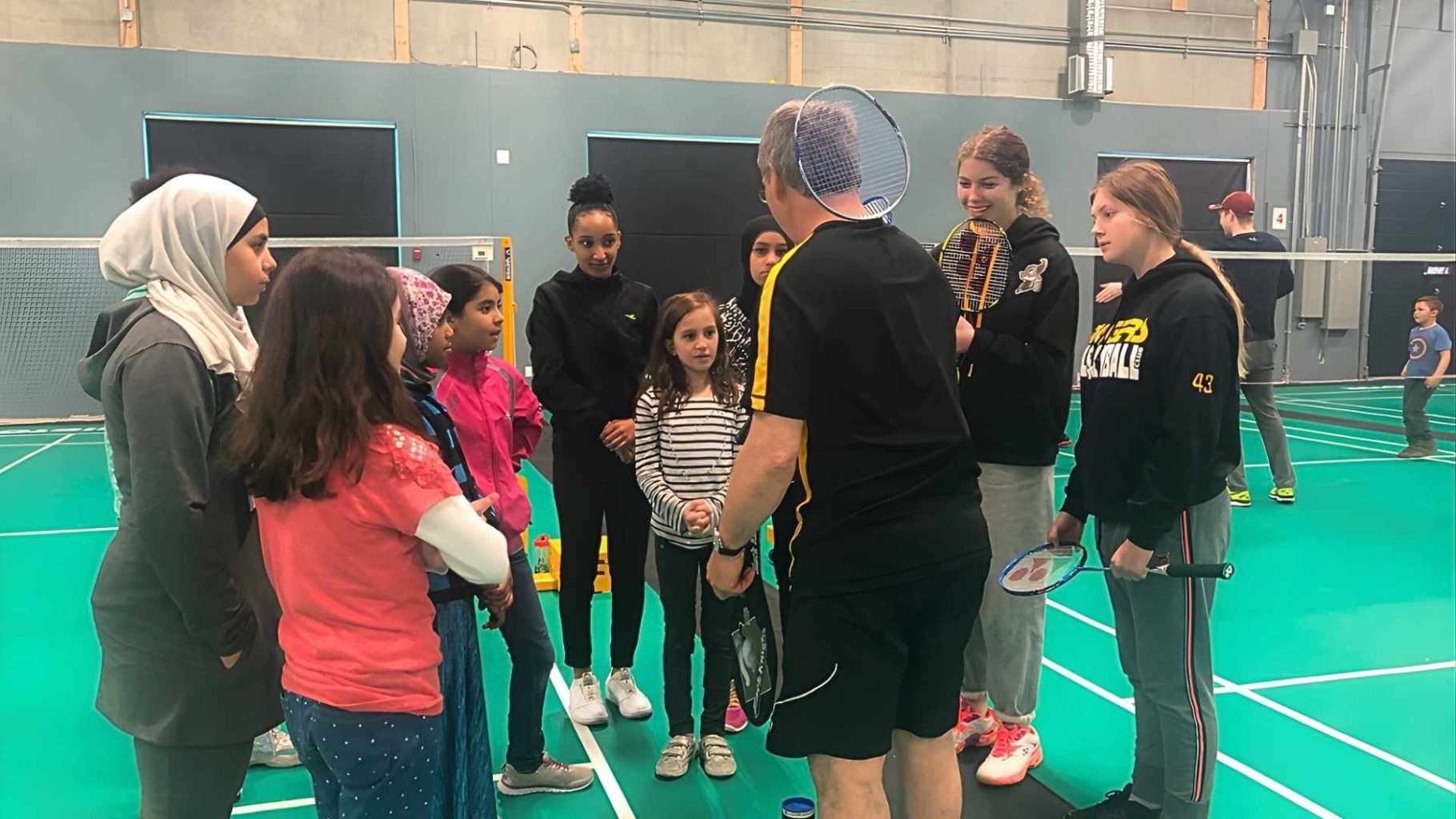
Despite the extremism, discrimination, and violence permeating our society, which seeks to divide us, efforts are being made to unite communities. One effective approach is through the collaborative nature of sports. The Winnipeg Newcomer Sport Academy conducted a study and recently released a report titled “Tackling Islamophobia Through Sport and Physical Activity in Winnipeg.”
The study explores how community-level sports programs can be powerful tools in countering Islamophobia and fostering understanding between diverse groups. Eve Sotiriado, Executive Director of the Canadian Muslim Women’s Institute (CMWI), believes sports can play a transformative role in shifting attitudes and creating safer communities.
“One way that we can address anti-Muslim racism, particularly in regard to what’s happening offline, is by adopting protocols and practices that we see within the sports environment. Then extending opportunities to you, perhaps, might be coming from marginalized backgrounds or, you know, where Islamophobia and racism have informed their experiences with regards to accessing opportunities and learning opportunities, in particular in their community.”
Richard Sylvester, Quality Sport Director at WNSA, echoes this view. With a background in youth development and strength and conditioning, Sylvester has seen firsthand how sport can shape social and mental skills.
“Sport is a powerful tool. And we’re happy that both groups were part of this wonderful experience, where we have the power of sport to bring people together.”
The research highlights several systemic barriers newcomer families face, ranging from transportation challenges and financial constraints to limited access to equipment, language barriers, and a general unfamiliarity with how Canadian sports systems operate. For parents who have recently arrived in Canada, especially those navigating trauma or economic insecurity, maintaining the same level of involvement seen among Canadian-born families can be incredibly difficult.
The first step in addressing these gaps is recognizing the diversity within communities and intentionally creating spaces where everyone feels seen and supported, says Sylvester.
“Cultivation is intentional. It means being curious and creating opportunities to connect with people. It’s hard to just say, ‘Hey, do this DEI thing.’ We need to get together, connect, do fun things, be together, and then we grow it over time.”
The report emphasizes recommendations that focus on curiosity, communication, and intentional inclusion. Simple actions, such as using translated materials, ensuring women-only spaces, providing sport-appropriate hijabs, or using paper forms instead of digital registration, can create transformative change.
Sotiriado notes that Muslim women, in particular, are eager for more opportunities for physical activity.
“I will never forget that a group of Afghan women who learned how to curl and curly, and they were they were so excited, and they were like mature women, women with families and jobs and volunteering opportunities in the community,” says Sotiriado. “I think our community needs the spaces and needs these opportunities.”
Accountability begins with awareness, and real change happens when communities commit to learning together. By sharing research, applying its recommendations, and creating intentional spaces for connection, we can begin dismantling prejudice one step at a time.
But this isn’t the end, says Sylvester, it’s only the beginning. He says the first phase taught the team what worked and what didn’t. One significant change would be matching competitive levels, understanding different needs, gender specific spaces, and building programs that uplift every participant to strengthen future efforts.
– Ryan Funk, U Multicultural