








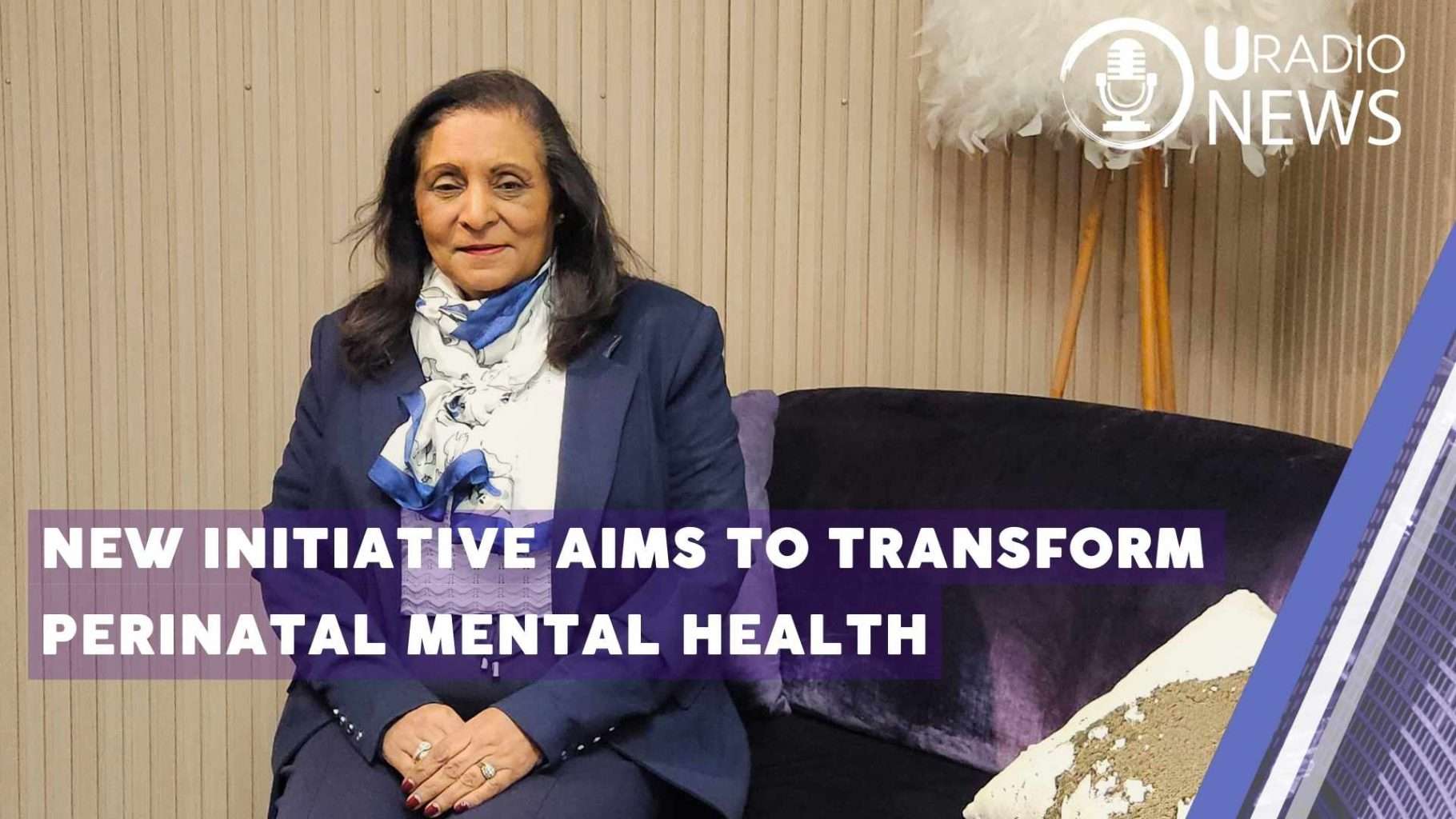
Funding through an interdisciplinary initiative, the Children’s Hospital Research Institute of Manitoba, will support mental health organizations across the province. Six community organizations are receiving PRIME X Community grants, and their projects could help close long-standing gaps in mental health support.
One of the organizations receiving funding is the Mood Disorders Association of Manitoba. MDAM will launch a peer-coaching program for maternal depression alongside Dr. Kristin Reynolds, Associate Professor and Director of Training in the Department of Psychology at the University of Manitoba, to integrate evidence-informed strategies and expand accessible family mental health support.

“What we found in the women’s program was one of the most common areas that women were reaching out to us was around postpartum depression. They wanted information,” explained Rita Chahal, Executive Director of MDAM. “Many of them were experiencing postpartum depression. And not just the women, but also their partners, it was their families that wanted to know how to help them.”
MDAM has had women’s programming for many years, but, unfortunately, due to funding limitations, had to place it on hiatus. The grant, she said, opens previously closed doors.
“When the opportunity, through PRIME, came up for us to apply for research, we felt this would be a good subject matter for us to consider. Dr. Reynolds was doing similar research and invited us to consider working together; we accepted and submitted a joint proposal. So here we are. And, I’m so glad we’re talking about it.”
The program will begin by building peer‑coaching groups for pregnant and postpartum people experiencing depression, an approach supported by international research. “We’re hoping to first start by collaborating in developing programs that can be offered, through MDAM, that would provide people who are pregnant and postpartum, who are experiencing depression, with services that they need at that time,” said Dr. Reynolds. She also explained the scientific importance of the work. “We really want to bring science into understanding is this program working? Is this program helping to alleviate symptoms of depression and anxiety? Is it helping bring people closer together and strengthen social connections? And how is the program working so that, in future offerings, we can continue to improve and refine it.”
Peer support is the foundation of MDAM’s programming. That model is vital for providing care when access to professional treatment is limited. Dr. Reynolds said peer support is especially important when stigma remains a barrier for many seeking help. “Talking to a peer who has gone through an experience with mental health in the pregnancy and postpartum period, as well as learning from that peer of evidence-based, effective ways to cope with problems, just really brings together the evidence and effective mental health strategies with a listening ear.”
A central priority for the project is ensuring the program is equitable, accessible, and welcoming to all parents, especially those from marginalized or underserved communities. “We recognize the importance of providing information to all of the folks that are involved in parenting,” stressed Chaha, “we will ensure that we look at a very diverse population.”
Dr. Reynolds echoed this commitment. “A really important part of our planning and co-development will be to focus on co-developing a service or program that’s not only acceptable, but that’s inclusive, and that’s going to provide a welcoming space to people who are managing depression during their pregnancy and postpartum experience. Whomever those people might be.”
The project officially begins in April 2026 and will run for approximately one year. Both Chahal and Dr. Reynolds hope the program will demonstrate measurable improvements in depression, anxiety, and stress, but also strengthen parental confidence and family connection.
Ultimately, Dr. Reynolds hopes to build something lasting. “My goals would be that we create something that is accessible, inclusive, and sustainable. “
With strong community partnerships and an evidence‑driven approach, the initiative may mark a turning point for perinatal mental health in Manitoba for every parent who needs it.
– Ryan Funk, U Multicultural