









Manitoba is becoming more connected with a $38 million investment, bringing high-speed Internet access to rural and Indigenous communities.
Reliable connectivity can transform communities by providing easier access to vital online resources, bridging the digital divide, accelerating economic development, and enhancing community safety for the 14 rural communities gaining access to reliable Internet. This could help level the playing field and open the door for new businesses or investments that might have only gone to larger urban centres like Winnipeg or Brandon.
“I think connectivity is crucial, especially for small or rural communities, to establish links with larger cities. It’s important for us to share our services and showcase what we have to offer to the world. Marketing plays a significant role in this effort, particularly in promoting our community and its tourism industry,” says Edward Albert with Norway House Cree Nation Broadband Inc., one of the organizations the government has partnered with to bring Internet to remote regions. “Using the Internet to achieve these goals seems like a natural next step in connecting all of Manitoba, not just digitally but also through the opportunities that connectivity creates.”
David Lee Roy Muswaggon of the Pimicikamak Cree Nation and Pimicikamak Communications Corp. is excited about the opportunities connecting his and other communities bring, stating it was time that remote regions to have the same rights, services and programs as any other Canadian. Pimicikamak Communications Corp., based in Cross Lake, has had to build the entire apparatus and develop a deep understanding of its systems. Muswaggon believes this will help set them apart from other Internet service providers. “We’re going to be competing with big players, and it’s been a long time coming. I’ll start investing and dealing with different markets and different economic opportunities where we see value. Our long-term goal is to become a big player 20 years from now, where before I get too old and die, I want to see at least 100 of my young people working in and taking ownership of their corporation and running it themselves.”
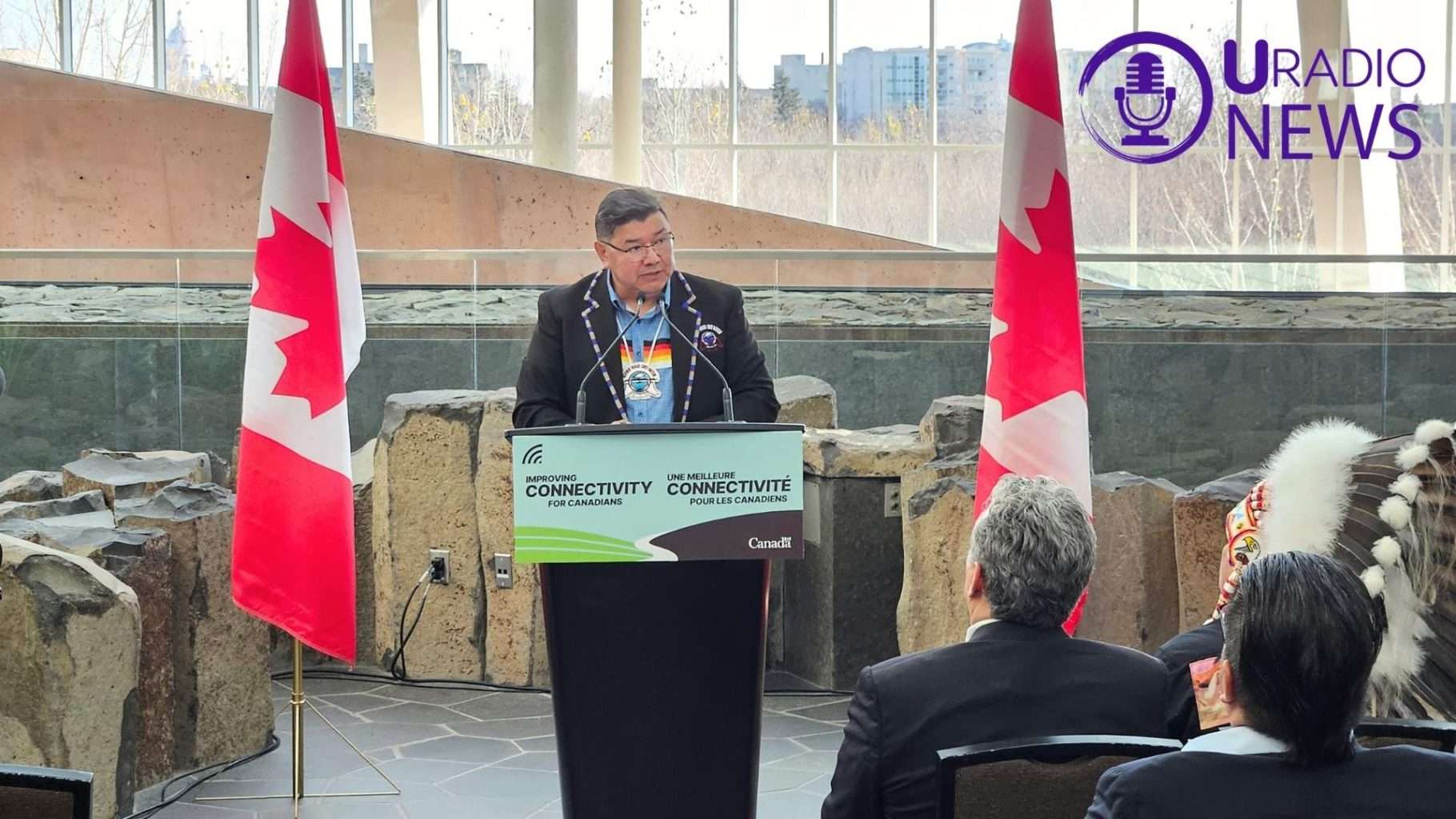
The announcement was made in Winnipeg by the Honourable Dan Vandal, Minister of Northern Affairs, Minister responsible for Prairies Economic Development Canada and Minister responsible for the Canadian Northern Economic Development Agency.
“Internet is no longer a luxury. Connectivity unlocks opportunities in education, healthcare, and small business, especially for rural, northern, and Indigenous communities.”
The infrastructure upgrades are expected to transform daily life. Access to telehealth services will improve health care outcomes, online education tools will enhance learning, and digital platforms will open up new economic opportunities, connecting Winnipeg and other large urban centres to a workforce across the province.
“We have a hybrid model where 50 per cent of the time or 2 or 3 days a week, people work at home when they work for the federal government and provincial government, and I would think the city as well. So, there’s that the ability to work from remote places.”
The $38 million in federal funding is earmarked for four projects under the Universal Broadband Fund and support from Indigenous Services Canada. The federal government is focused on bringing 98 per cent of Canadian households with high-speed Internet by 2026 and the entire country by 2030. Only about 85 per cent of residents in Manitoba have access to reliable high-speed connectivity.
In the past, many of these initiatives focused on Indigenous communities and did not allow them to take the lead. The four Indigenous-led projects will ensure this initiative will have long-lasting economic and social benefits while respecting the leadership and expertise of the communities involved.
– Ryan Funk, U Multicultural