





We can’t change our world if we aren’t even aware of history.
As Canada continues to struggle with human rights, communities without clean drinking water for decades, broken or contested treaties and land rights, denialism of the atrocities conducted at residential schools, rising economic and social inequality, and the epidemic of Missing and Murdered Indigenous Women and Girls. Progress has been made, but we still have a long way to go.
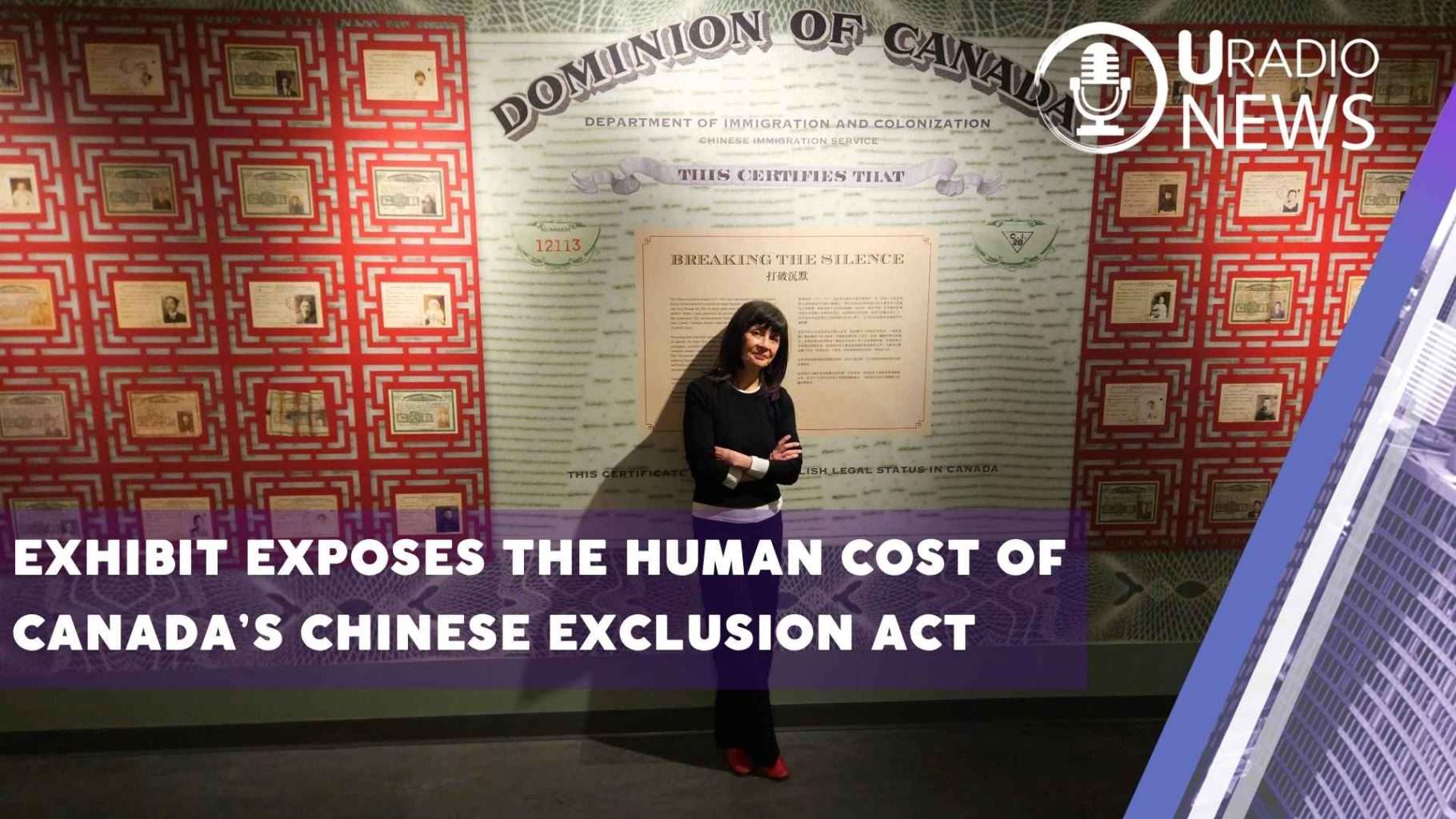
And that’s why museums are so valuable. They inform us of our histories, of our triumphs as well as our failings. If we can’t remember our failings, if the mistakes and dehumanizations are forgotten, we can’t learn, and when one can’t learn and grow, history is doomed to repeat itself. A new exhibit at the Manitoba Museum, in collaboration with the Chinese Canadian Museum, shines a light to dispel the shadows that conceal a dark memory from Canada’s past.
Grace Wong, Board Chair of the Chinese Canadian Museum, was there during the exhibit’s launch, as this was the first time these stories had been on display outside of Vancouver.
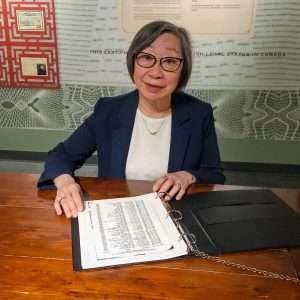
“The impact of that Chinese Exclusion Act on those families, on those individuals, then we always knew that we would want it to travel across Canada. So this is the first stop. And, you know, the Manitoba Museum has been wonderful. You know, they saw right away that it would be important to host this exhibition.”
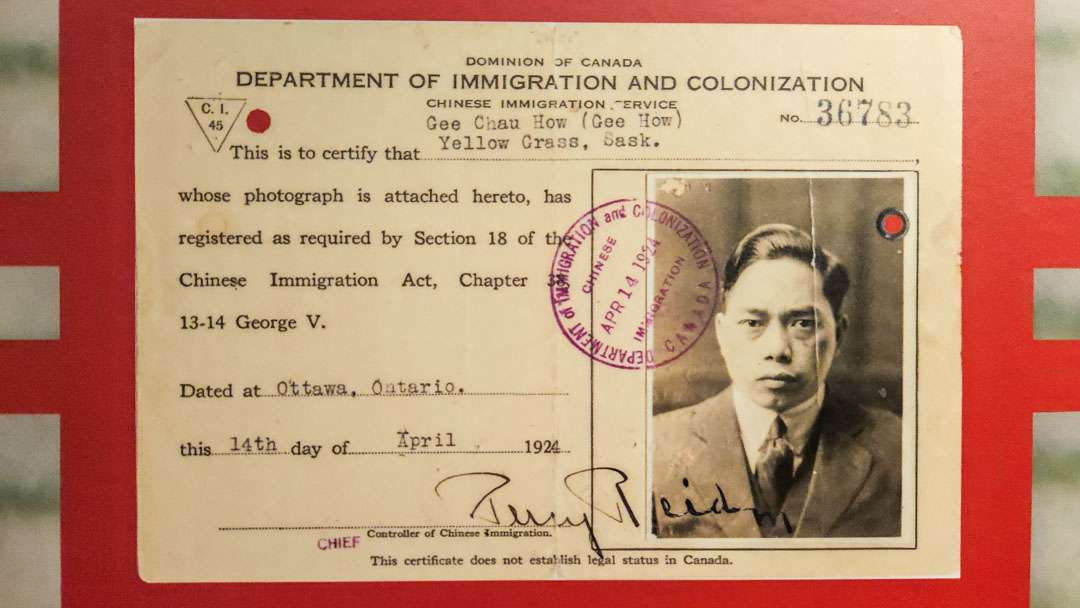
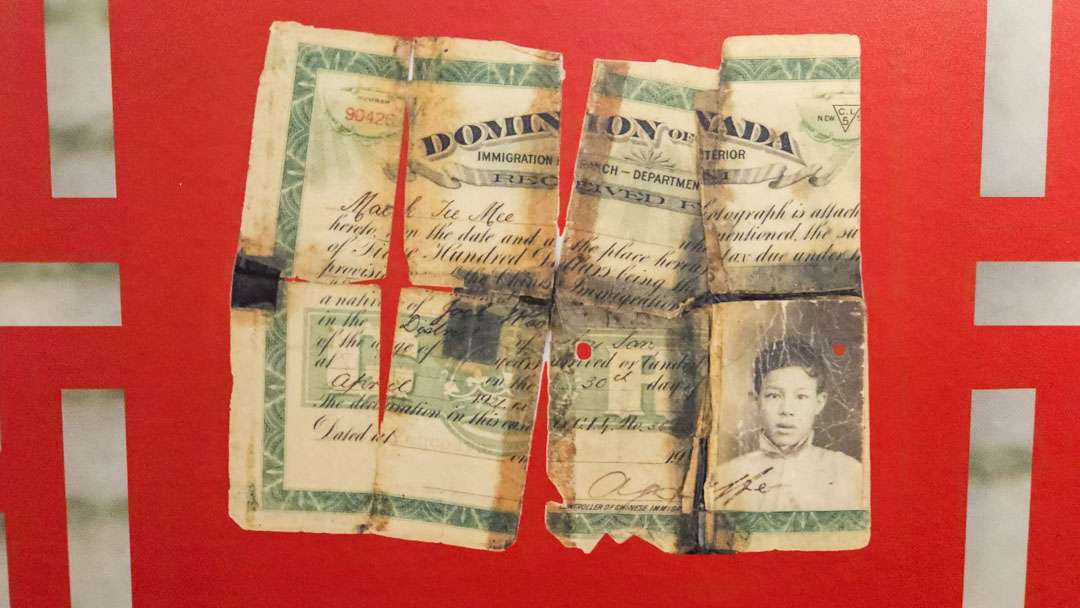
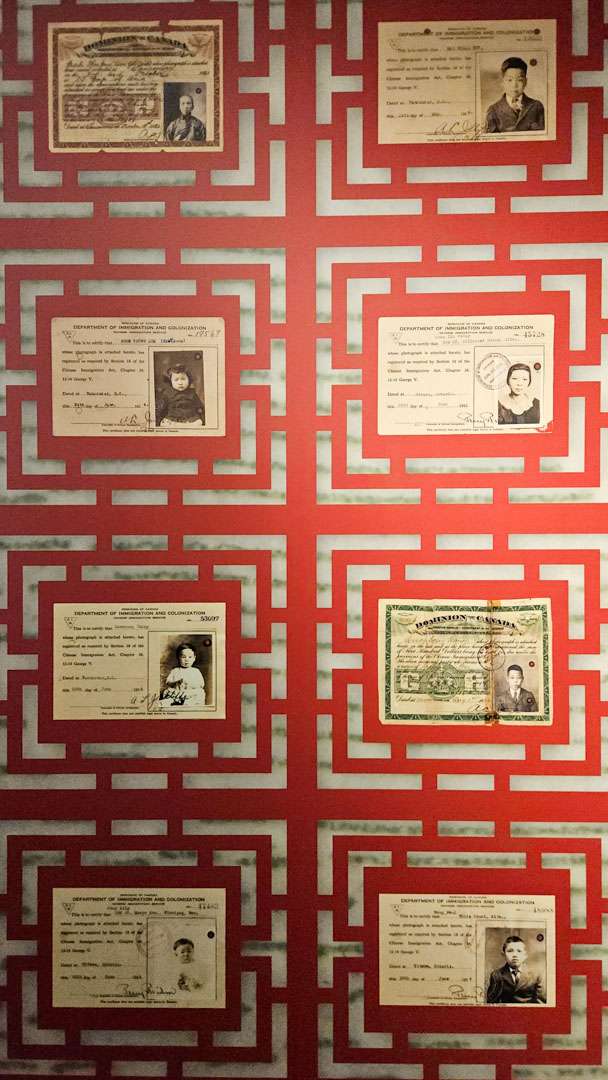
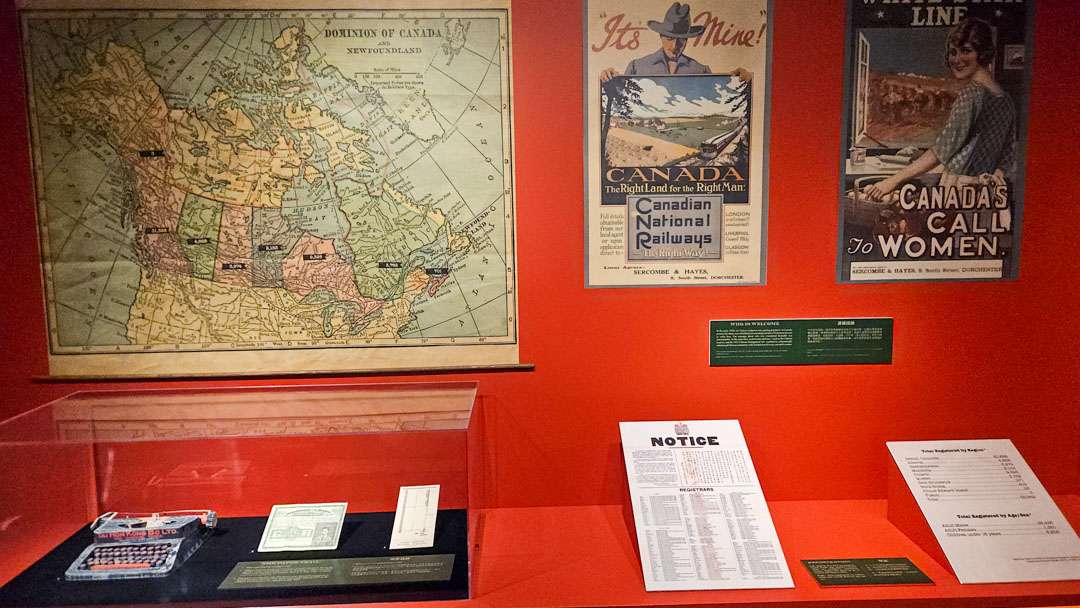
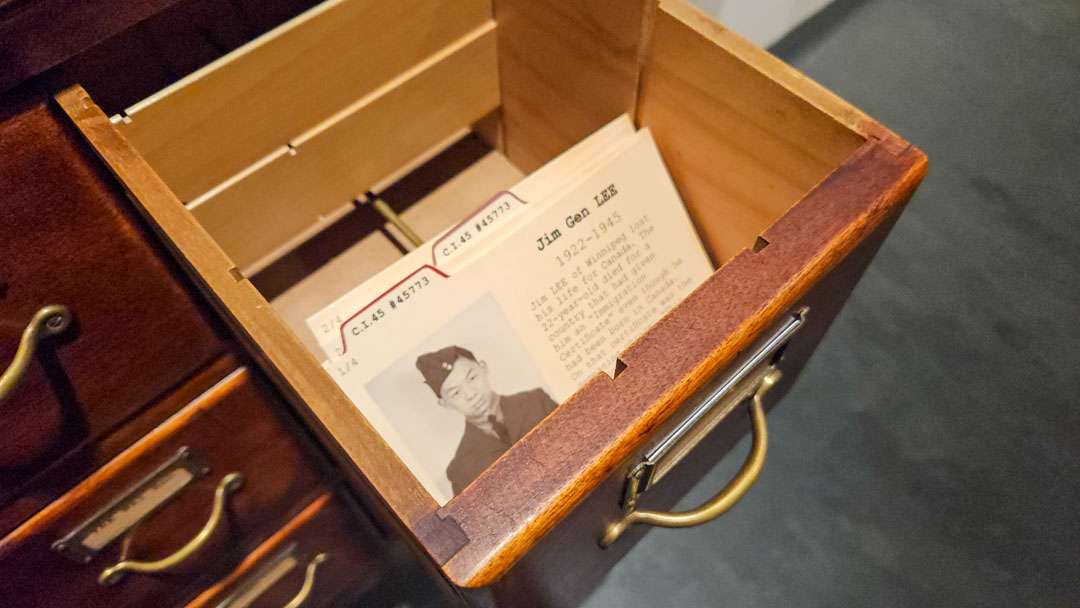
Within your Social Studies class, you may remember the Chinese Head Tax, a discriminatory fee imposed by the Canadian government on Chinese immigrants between 1885 and 1923. But that wasn’t the last time the Canadian government would target the Chinese diaspora. The Paper Trail to the 1923 Chinese Exclusion Act is a special version of an award-winning exhibition that first opened at the Chinese Canadian Museum in Vancouver on July 1, 2023, marking the 100th anniversary of the Act. This exhibition provides an honest and detailed look at a period in Canadian history when the government uniquely banned immigration from a single cultural group. During this time, even Chinese people born in Canada were required to carry identification documents.
Historian Catherine Clement started this project; she was surprised by how little awareness there was surrounding this history. “It was a monumental chapter in Canadian history, and yet mostly forgotten, not taught.”
Clement’s research revealed a much darker reality than she initially expected. “I’ve been doing oral histories and memory work with Chinese Canadians for maybe about 15 years, and nobody ever brought it up. So I thought, well, it couldn’t have been that bad because nobody’s ever talked to me about it.”
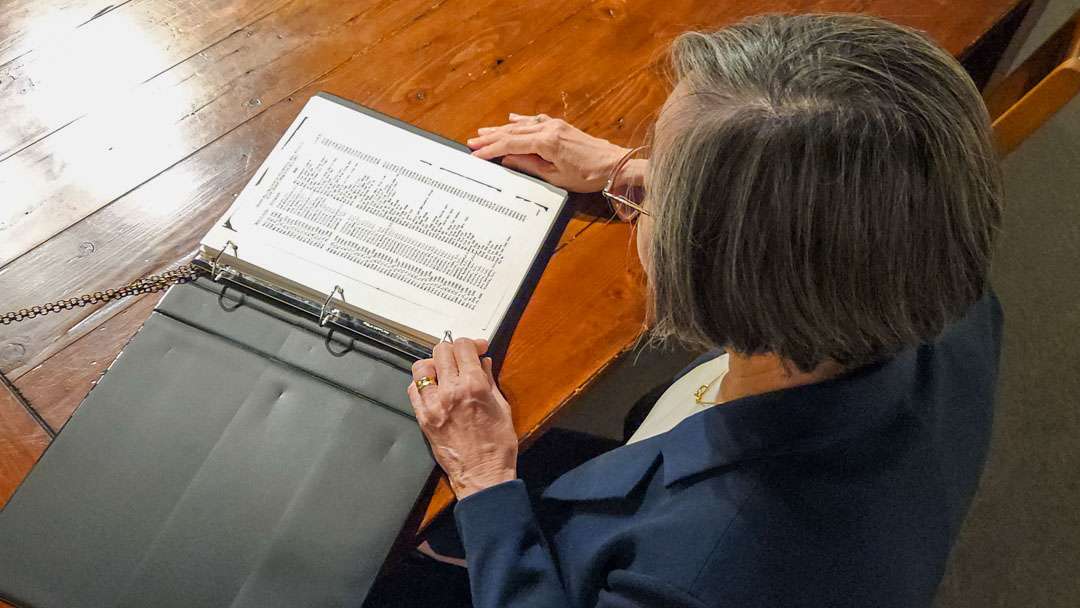
As she began uncovering government records, personal documents, and stories, her understanding shifted dramatically. “That’s why we call it the paper trails, all these paper trails that helped us to understand what really happened to people, that kind of human cost and impact of this Act, which was in place for almost a quarter century. It was far worse than I ever imagined it to be.”

The Chinese Exclusion Act, enacted on July 1, 1923, introduced a near-total ban on Chinese immigration while requiring all Chinese people already in Canada to register with the government. Between 1923 and 1924, thousands were forced to submit documents, photographs, and personal information, creating one of the earliest forms of mass identification in the country. Over 56,000 individuals were documented, and failure to comply could result in fines, detention, or deportation.
The human cost was immense.
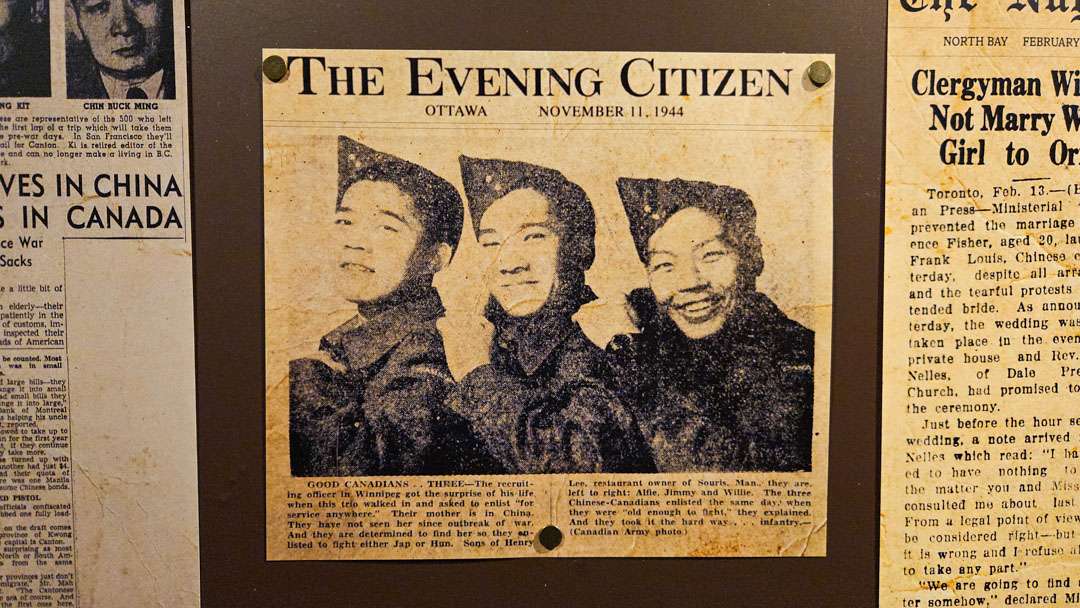
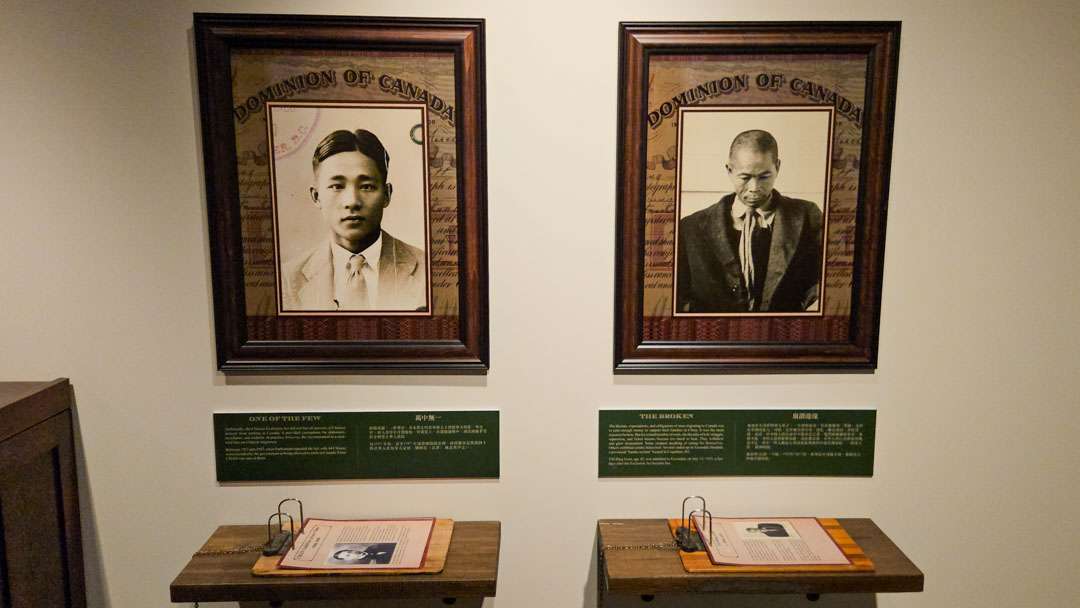
The Act created severe gender imbalances, leaving tens of thousands of men unable to bring their families to Canada, forming what became known as “bachelor societies.” Only 44 Chinese immigrants were admitted to Canada between 1924 and 1947. Isolation, poverty, and mental health struggles became widespread, with some cases ending in suicide.
One of the most striking aspects of Clement’s work is how deeply this history was buried, not only in public education but within families themselves.
“I would say, well, tell me what you know about what your grandfather and father went through during the Exclusion Act. And that’s when I was met with overwhelming silence. In fact, I would say the majority of Chinese Canadian families with a direct connection to this would say to me, ‘I have no idea what you’re talking about?'”
During a conversation with a veteran, they told her why they would want to relive those moments, to remember the discrimination and dehumanization. She says the veteran told her that he was once urinated on, just because they were Chinese. In another interview, she learned that one person had told his white son-in-law, but never his daughter. “He said, ‘because I didn’t want to undermine her confidence. I thought if she knew this, it would affect her.'”
Groups of young students were visiting the museum on the opening day, and learned how much pain and sadness are borne when policy and law are dictated by discrimination and hate. That’s why this exhibit is so important, said Wong, to educate the public about history. “So little was known and for a long time was not taught in schools.”
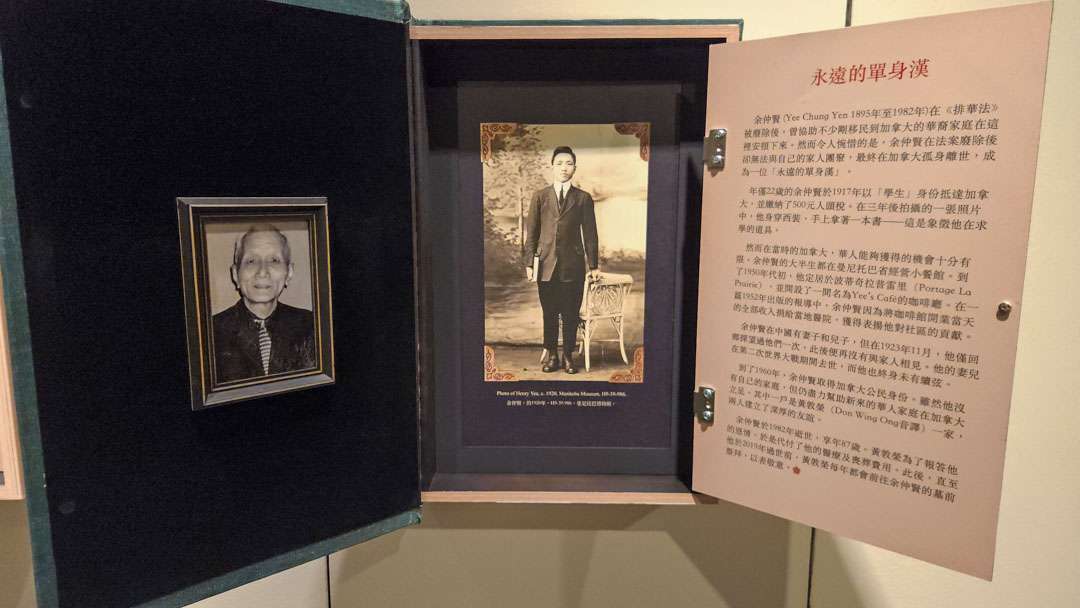
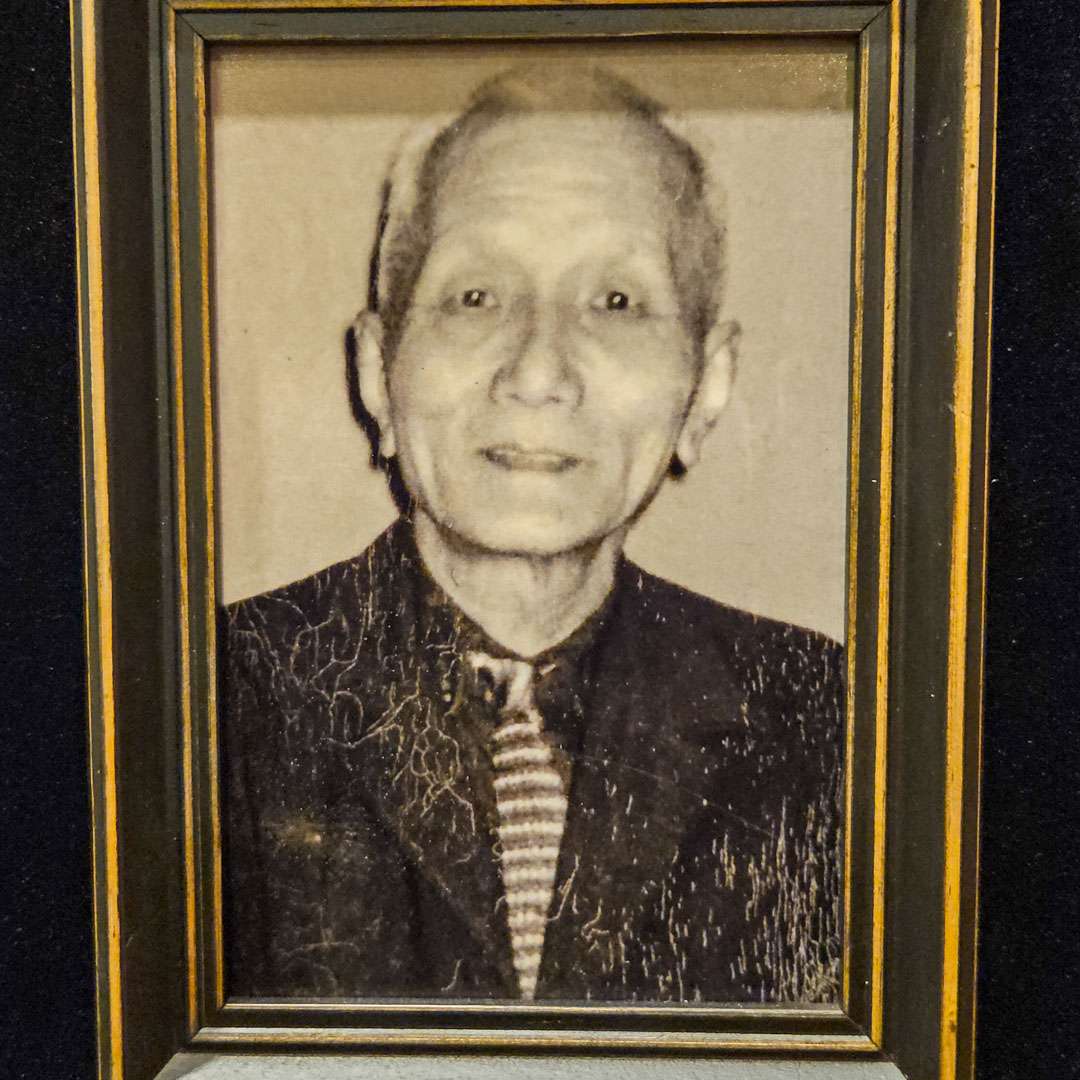
The exhibit in Manitoba went out of its way to find stories of those whose lives were ruined by this Act, here on the prairies. Thomas Remple-Ong helped make that happen. After uncovering his own family history, he explained, “We had this distant family member we didn’t know about who paid the Chinese head tax in 1917.” This family member was Henry Yee. Yee arrived in Canada in 1917, paid the head tax, and, not long after, the Chinese Exclusion Act came into effect. Yee arrived in Canada with the dream of building a new life, raising money, and later bringing over his wife and children.
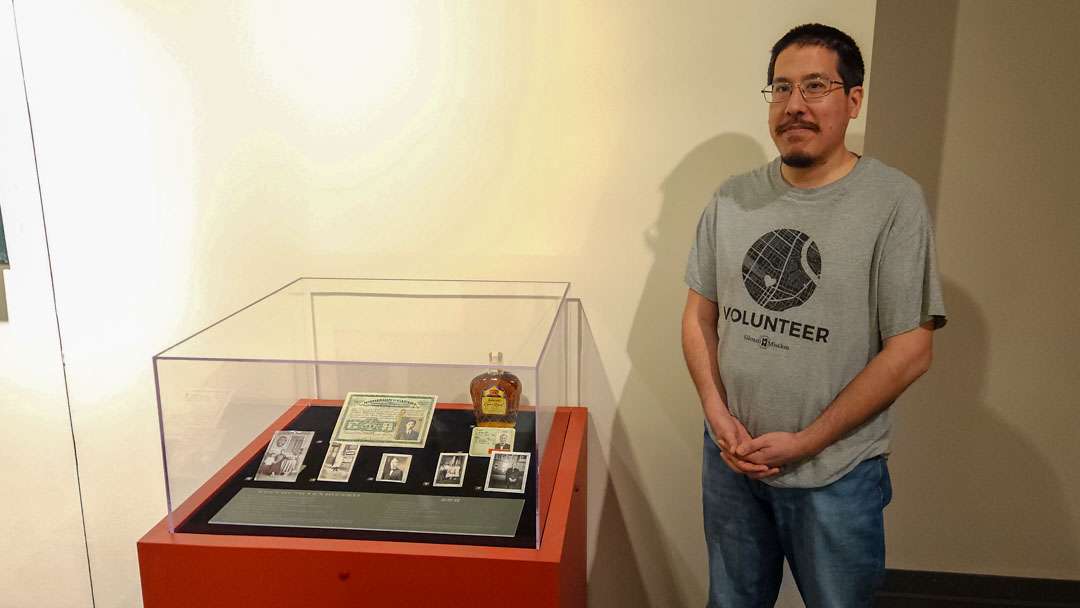
“But the Exclusion Act took effect before that could happen,” said Remple-Ong, “so all of a sudden, overnight, he’s now separated from his family.” Yee would live the rest of his life as a bachelor, like many other Chinese men, who never got to see their families again. Despite what had been taken from him, Yee persevered, spending his life helping others. When the Chinese Exclusion Act was repealed, Yee helped Remple-Ong’s grandfather, who had arrived in 1952, bring his grandmother and father to Canada. They arrived in 1962, ending a decade of separation. For many years, Remple-Ong was told never to touch a cabinet, and when he was doing some decluttering, he found out why. Inside was a bottle of Crown Royal from 1962, a thank-you gift from his grandfather to Henry Yee.
“We gathered that this was almost a call-it-a-thank-you celebration gift, where my grandfather got the good news: his family’s going to be reunited. And the interesting thing was that this bottle obviously was never opened. So I guess, you know, maybe Henry was honoured or grateful for the gift, but he wasn’t ever going to open it.”
Yee was never reunited with his own family and passed away in the 1980s. That bottle will remain unopened, now a part of the collection at the Manitoba Museum.
During her tour of the exhibit, Clement became emotional. The pain of what tens of thousands of Chinese immigrants had experienced is still present within the photos and stories. Ghosts of the past. Clement says she hopes those who walk past the faces of the many who were almost forgotten by time will be vigilant to the challenges of today.
“We can’t change the past anymore, but the only thing we can do is learn from it and be aware of this slippery slope that governments can go on, and you can wind up going backwards.”
The Paper Trail to the 1923 Chinese Exclusion Act is a confrontation with uncomfortable truths. It challenges visitors to reflect on the consequences of exclusion and to recognize the warning signs that have surfaced over the past century. Clement says awareness is the first step toward change. And by bringing these stories into the light, the Manitoba Museum is helping ensure that they are not forgotten again.
– Ryan Funk, U Multicultural