Winnipeg is rich in culture and history, but it can be a challenge to find ways to engage residents with it.
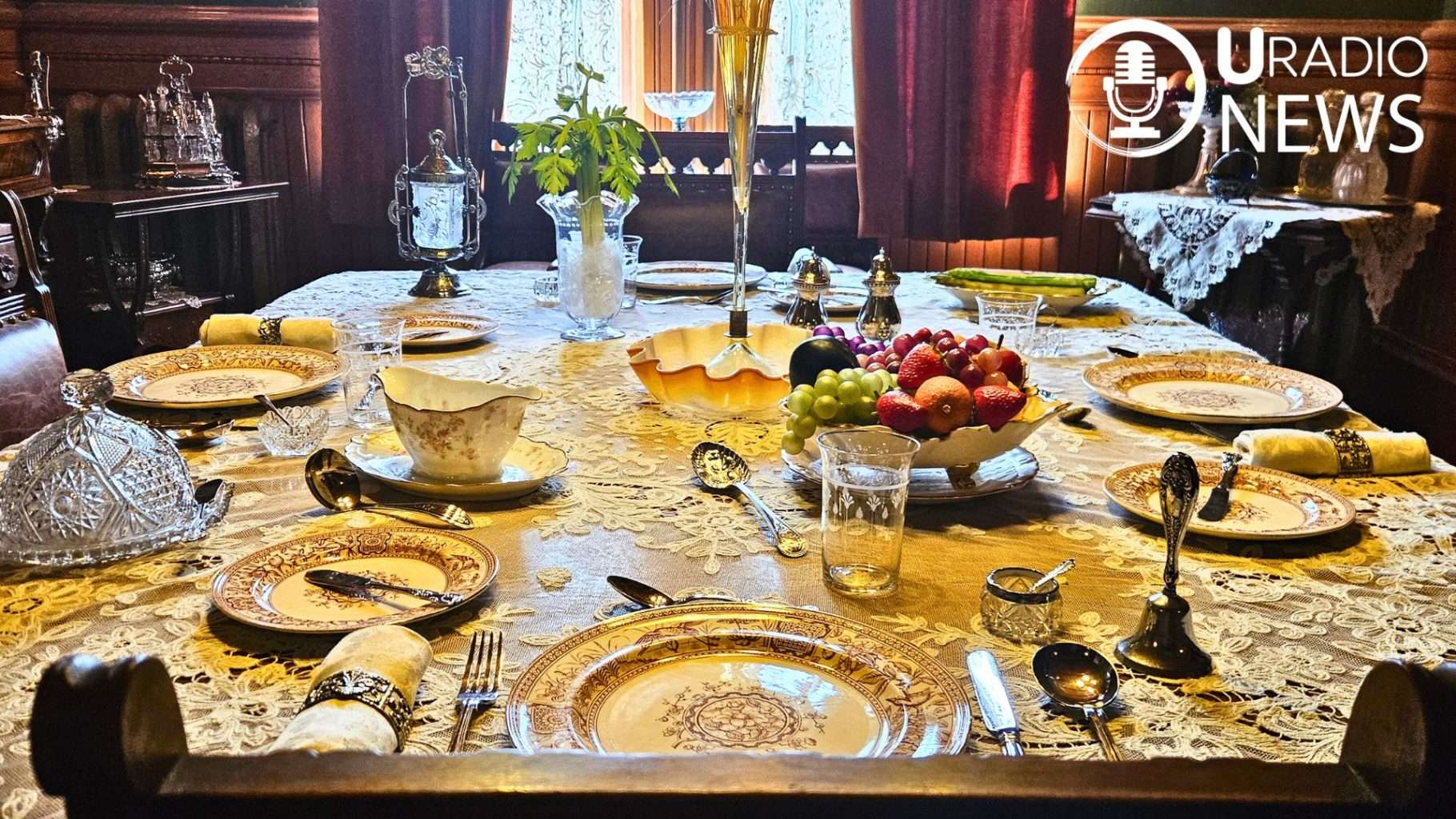
The Dalnavert Museum, situated in the city’s downtown area, is reimagining its approach to teaching history. Lauren McNaughton, Programming and Coordinating Assistant said that as part of their new wave of immersive programming, the museum is tapping into the power of food with its first “Eat Like a Victorian” event, which immediately sold out.
“We’re really hopeful for people to kind of learn history through food,” said Lauren McNaughton, “We’ve never done anything food-based before, so we’re hoping it’ll kind of offer like a whole new experience of like not only like learning about the food but also be able to taste it, understanding the palate of the Victorians and what the different palates vary between the classes as well.”
The event featured a sampling menu of traditional Victorian dishes from the 19th century, ranging from the luxurious courses of the wealthy to the plain and practical meals of the working class. For upper-class Victorians, McNaughton said meals were elaborate and frequent.
“Typically, at breakfast, they would be eating something like eggs, fish, bacon and porridge. Fish was a very popular Victorian breakfast item, and with lunch and dinner, it usually had a variety of items like meat, potatoes, vegetables or something of the sort. But for the very wealthy Victorians, they would typically have two meals in between. They would have tea time in between breakfast and lunch, and then after dinner, they would have a sweets course as well. So there was lots of in-between snacking as well.”
She said meals of the working class were very different, with much of the food they ate not being very fresh.
In contrast, the meals of the working class were starkly different. “It would very frequently that the food would be very overcooked and a bit dry and a bit stale to guarantee food safety in the food itself in comparison to the wealthy, where you are guaranteed fresh foods. Those with less money were not as fortunate. So it was food which was blander, a bit much, much more plainer.”
The event was also a chance for guests to learn about the methods of preparation. “It’s really interesting in this period because this is just the beginning of standardization in cooking. So, previously, in many recipes that I’ve come across, the measurements were much more up to the opinion of the cook. So there be recommendations like a fist of butter, a handful of flour, like much more vague measurements that the cooks were meant to decipher and figure out, especially when deciding how many courses they’d be making with these dishes.”
On an interesting note, McNaughton mentioned that the oven at the Dalnavert Museum was one of the first in Manitoba to feature a built-in thermometer.
Following the success of “Eat Like a Victorian,” McNaughton shared plans for other sensory-driven events, including a craft night exploring Victorian household items and a cocktail evening called “Drink Like a Victorian.”
“This event sold out way sooner than we expected… so we’re going to be doing this event again in August as well.”