Asian Women of Winnipeg Reshaping its Approach to Community Celebrations
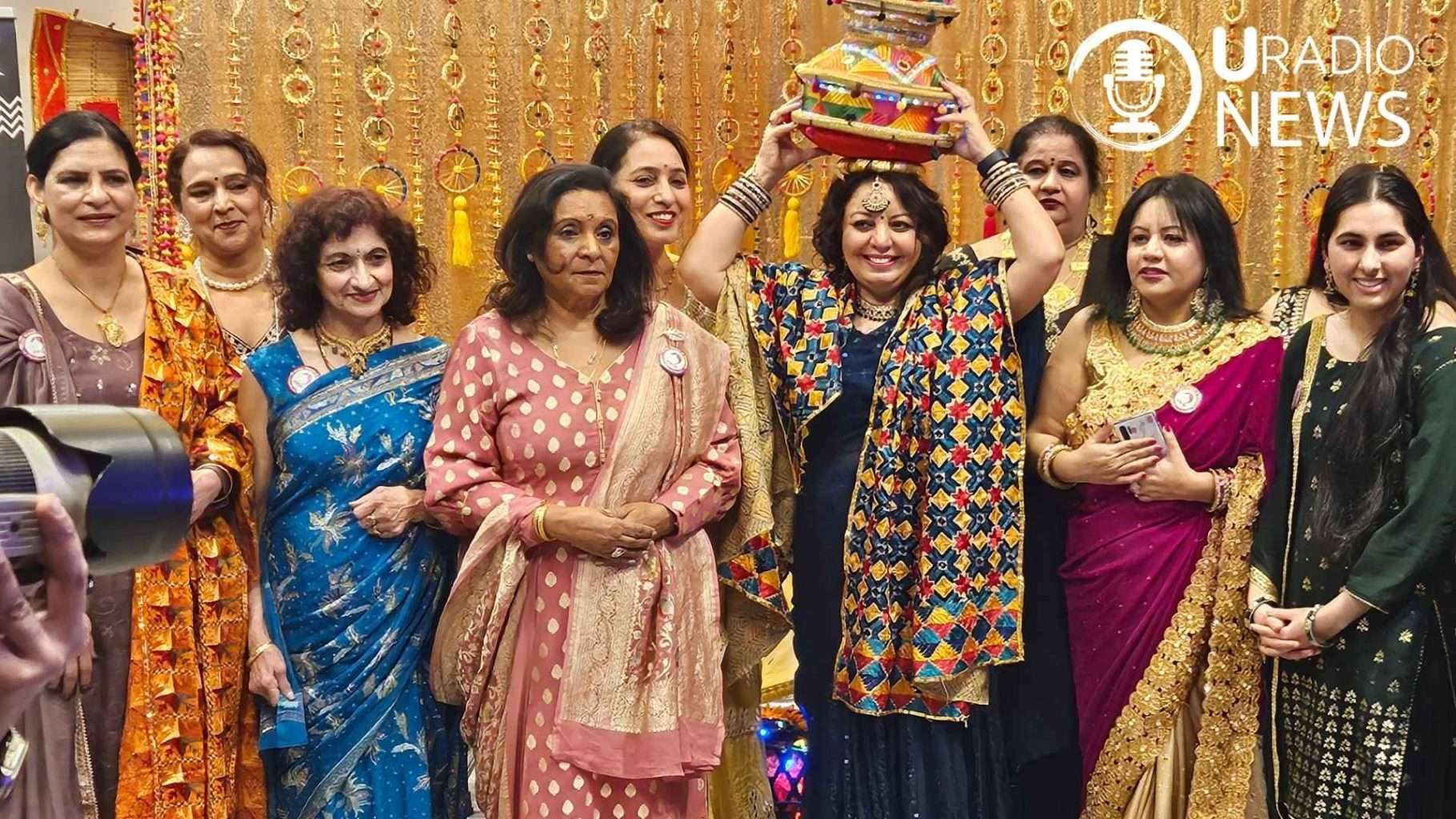
For Asian Women of Winnipeg’s (AWOW) 10th anniversary of Lohri Mela, held on January 11, the organization again reshaped how it approaches community celebrations.
Lohri Mela is a traditional seasonal festival from North India that celebrates new beginnings, including the arrival of a newborn boy or a new bride into the family. When AWOW held its Lohri event 10 years ago, they wanted to ensure they honoured newborn girls. This year, AWOW is now taking a closer look at accessibility.
For those who do not live with a disability, you may not actively think about how spaces are accessible, explains board member Sharan Tappia. When brought to their attention, she said people in the organization knew they needed to make a change.
“We never acknowledged or made any special effort for people with disabilities. It was very strange when it came to our knowledge that 30 per cent of Manitobans live with some kind of disability. That really hits our hearts and minds and our whole attention. So we thought, okay, now it’s time to do something new and time to acknowledge this population.”
The team redesigned its floor plans, raised awareness, ensured wheelchair access, and addressed sensory needs for better accessibility.
Simran Bhinder brought forward the conversation about accessibility. Bhinder, new to Winnipeg and having moved from Toronto, wanted to get more involved and volunteered at Lohri Mela last year. When she joined the AWOW board, she wanted to include persons with disabilities and accessibility in their conversations.
“I was like, why are we not including accessibility at our cultural events? There are so many people who are left out. That’s how we got started.”
Bhinder says the board was incredibly receptive to these conversations, and although some were not aware of what is needed to accommodate everyone’s ability levels, they were excited to learn. This was great news, explains Bhinder, with these ongoing conversations opening new possibilities.
“It’s about how we will carry forward the learnings and what initiatives we will take forward. So, we will be collaborating with some disability organizations as well. Also, within our community, it’s important that we raise awareness in terms of how first-person language is used, how we are communicating with those persons, raising awareness in terms of training, education and then moving forward all of our events which are going to be taking place, not just the cultural events.”
Tappia says this Lohri Mela event was an essential step in bringing people together. However, it also highlights the need for collaboration and funding to ensure accessibility needs are met. Despite these potential obstacles, Tappia says AWOW is optimistic and looks forward to the new faces who may attend their events.
“We [will] make sure that we acknowledge and bring this to our decision-makers’ attention that these people need special care as well,” she shares. “They are part of this family.”