









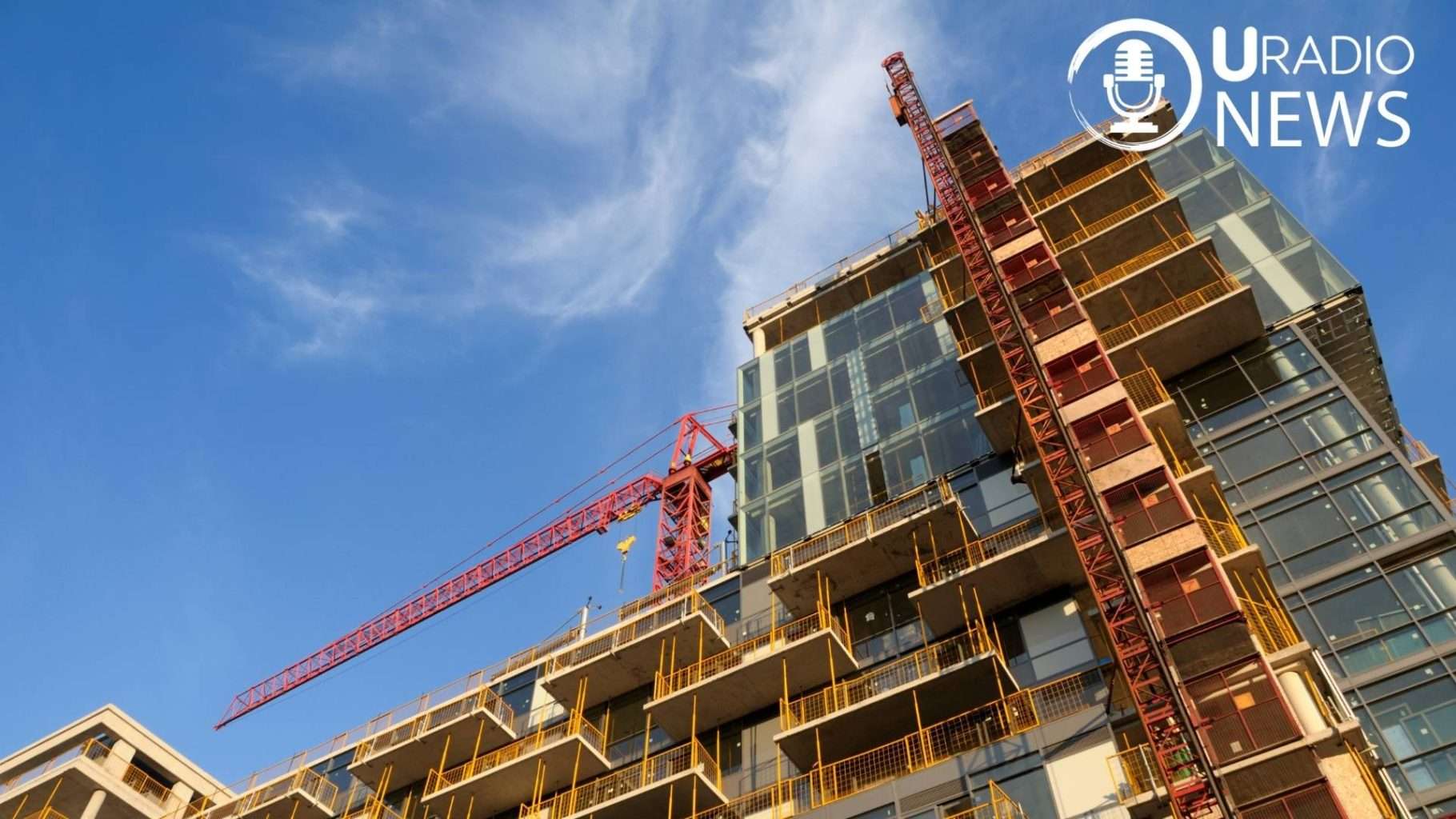
Winnipeg will become home to a new 95-unit building in south Pembina. The $38.5 million project, which began construction this past summer, will have 38 of the 95 units marked as affordable with rents below 70 per cent of the median market rent.
Although this development does meet some of the housing needs in the area, Kirsten Bernas, chair of the provincial committee of the Right to Housing Coalition, explains that it doesn’t address the dire housing situation that low-income families and communities are experiencing.
“It’s meeting a need that’s out there for sure, but it is another example of government investments that are going toward meeting a need that isn’t as dire as the need for low-income social housing.”
Of the $38.5 million invested, $32.2 million came from the federal government through the Affordable Housing Fund (AHF) under the National Housing Strategy (NHS). As of September 2024, the federal government has committed $57.57 billion to support the construction of over 156,000 new housing units and the renovation of more than 297,000 existing units.
Despite these investments, a 2024 report from the Canadian Centre for Policy Alternatives evaluating the NHS’s impact in Manitoba, particularly Winnipeg, highlights a broad consensus among housing policy experts that the NHS has largely fallen short of its promise to deliver affordable housing for the lowest-income households. Similarly, a 2022 report by the National Housing Council revealed that at the time of its publishing, fewer than 5 per cent of the units developed under the federal government’s NHS were affordable for those with the lowest incomes.
The Right to Housing Coalition advocates for “rent-geared-to-income” (RGI) models, where rents are capped at 30 per cent of household income. This approach ensures affordability for low-income residents. Bernas explains that of the 2,000 plus units built with federal funds over the past seven years in Winnipeg, only 235 are RGI units.
“We’d really like to see the development of rent-geared-to-income housing, where you’ve got a non-market housing provider like the government, it could be Manitoba housing, or maybe it’s a nonprofit housing provider who has a mandate to maintain the affordability of those units, kind of in perpetuity for as long as they’re needed.”
Housing is under federal, provincial, and territorial jurisdiction, with funding coming from various programs like the Rapid Housing Initiative and Housing Accelerator Fund.
Through the Housing Accelerator Fund, funding is provided directly to municipalities to work with local initiatives to build housing. Winnipeg received $122.4 million from this fund and is required to create 3,166 additional building-permitted housing units and 14,101 over the next three years. A minimum of 931 must be affordable housing units.
“The government has given money to the city of Winnipeg to support developers who are building affordable housing,” says Janice Lukes, Councillor for Waverly West. She adds that these measures to reduce red tape are essential in combatting the housing crisis, and subsidies must continue to ensure the development of new affordable housing. “You cannot build deeply affordable housing unless you’ve got subsidies. It just doesn’t work unless you get government subsidies.”
Councillor Lukes sees the development at 939 Chancellor Drive as a welcome step forward in Winnipeg’s ongoing efforts to expand affordable housing, particularly the approach of offering 10 to 20 per cent of development as affordable housing.
“Everyone uplifts everyone else,” says Councillor Lukes. “It’s great for the area because you have more density. More people anchor businesses, anchor transit, and contribute to the economy.”
939 Chancellor Drive is expected to be completed within 18 months from the start of construction.
– Ryan Funk, U Multicultural