WHRA Encouraging Early Vaccinations As Flu Season Arrives in Winnipeg
As Manitobas prepare for the upcoming winter weather, it’s also time to prepare for the sniffles and coughing that come with the flu season. The Canadian flu season typically runs from November to April, bringing influenza and the coronavirus.
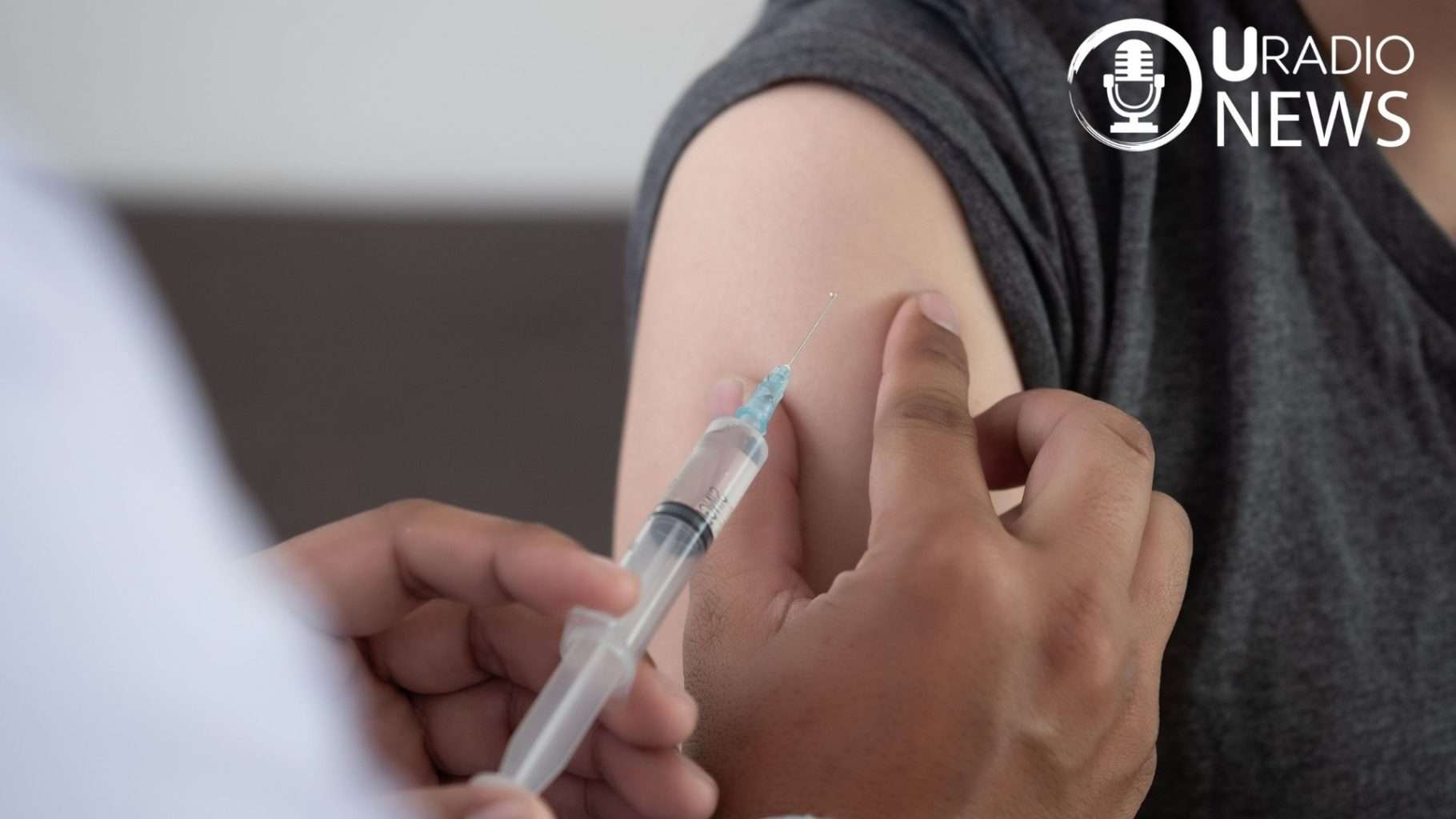
With it still early in the season, infection rates are low, with Regional Health Authorities encouraging residents to get their vaccines before these respiratory infections circulate and peak. Dr. Bunmi Fatoye, medical officer of health for the Winnipeg Regional Health Authority, says these illnesses spread quickly, and a vaccine is the first line of defence.
“These viruses are spread easily,” explains Dr. Fatoye, “somebody might be coughing beside you or sneezing, and the droplets get spread to you. You might touch an object, table, or surface where somebody has previously coughed or sneezed. So it’s easily contacted that way.”
Dr. Fatoye says vaccines are a cornerstone of public health. They are safe, effective, and crucial in preventing severe disease. Influenza and COVID-19 can cause mild symptoms in many but can lead to severe complications in high-risk groups, including young children, seniors, and individuals with underlying health conditions.
“When people get ill, most people will recover. However, some people would have more severe diseases that might lead to complications. So we want to prevent those severe complications and illnesses, and we don’t know who can get them. We know certain risk groups that are more predisposed, and we want to prevent it, and that’s where the vaccine comes into play.”
The optimal time to get the seasonal vaccinations is as soon as they are available. This often happens during October, but it’s never too late to act. Vaccines take approximately two weeks to provide full immunity, meaning getting vaccinated now ensures families are protected as the season intensifies. The WRHA and other health authorities work to ensure vaccines are as accessible and as barrier-free as possible. Pharmacies, primary care providers, and public health offices all offer vaccinations. Additionally, some locations host pop-up clinics in partnership with community organizations to make vaccines more accessible.
For families with young children, the influenza and COVID-19 vaccines are available for those six months and older. “It’s free of charge,” Dr. Fatoye reassures. “Just bring a government-issued ID or health card if you have one.”
Vaccination options are available for those without a government-issued ID or health card. This is particularly important for those who are houseless or in precarious situations and are at greater risk of illness and other health-related complications. These populations can utilize the public health office as an option to receive the vaccine. A full list of Public Health Offices in Manitoba can be found here.
Online tools are available to locate vaccination sites and book appointments, reducing barriers to access. Multilingual resources on theManitoba government’s website provide vital information for Winnipeg’s diverse communities, ensuring everyone has the knowledge to make informed decisions.
Beyond vaccination, Dr. Fatoye emphasizes basic health practices to reduce the spread of viruses. These include frequent handwashing, staying home when sick, and wearing masks in crowded public spaces if symptomatic.