






With tariffs from the United States, many farmers and small business owners are finding it increasingly difficult to turn a profit.
That concern was what many who attended the 14th annual Fibre Festival in Winnipeg were discussing. Leiah Bauer of Apothecandy says increasing costs are something she hasn’t been able to stop thinking about.
“This has been basically consuming all of my waking hours and some of my sleeping hours,” explained Bauer.
Bauer started as a goat farmer. Over time, she learned about herbal medicines and natural dying, eventually marrying those ideas, creating a company of natural goat milk soap and botanical skincare. With about 30 per cent of her products shipped to the United States, with the loss of de minimis tariffs exemptions, she says she had to make a difficult decision.

“I turned off my shipping to the United States. And that really hurt,” she said, “I have some very loyal customers down there. And so it was really hard to tell them that I just couldn’t make sense of shipping to them. And I didn’t want them to end up with additional tariffs or fees, and unhappy, resulting in shipments being refused and sent back. It just m
ade the most sense for me to turn off shipments.”
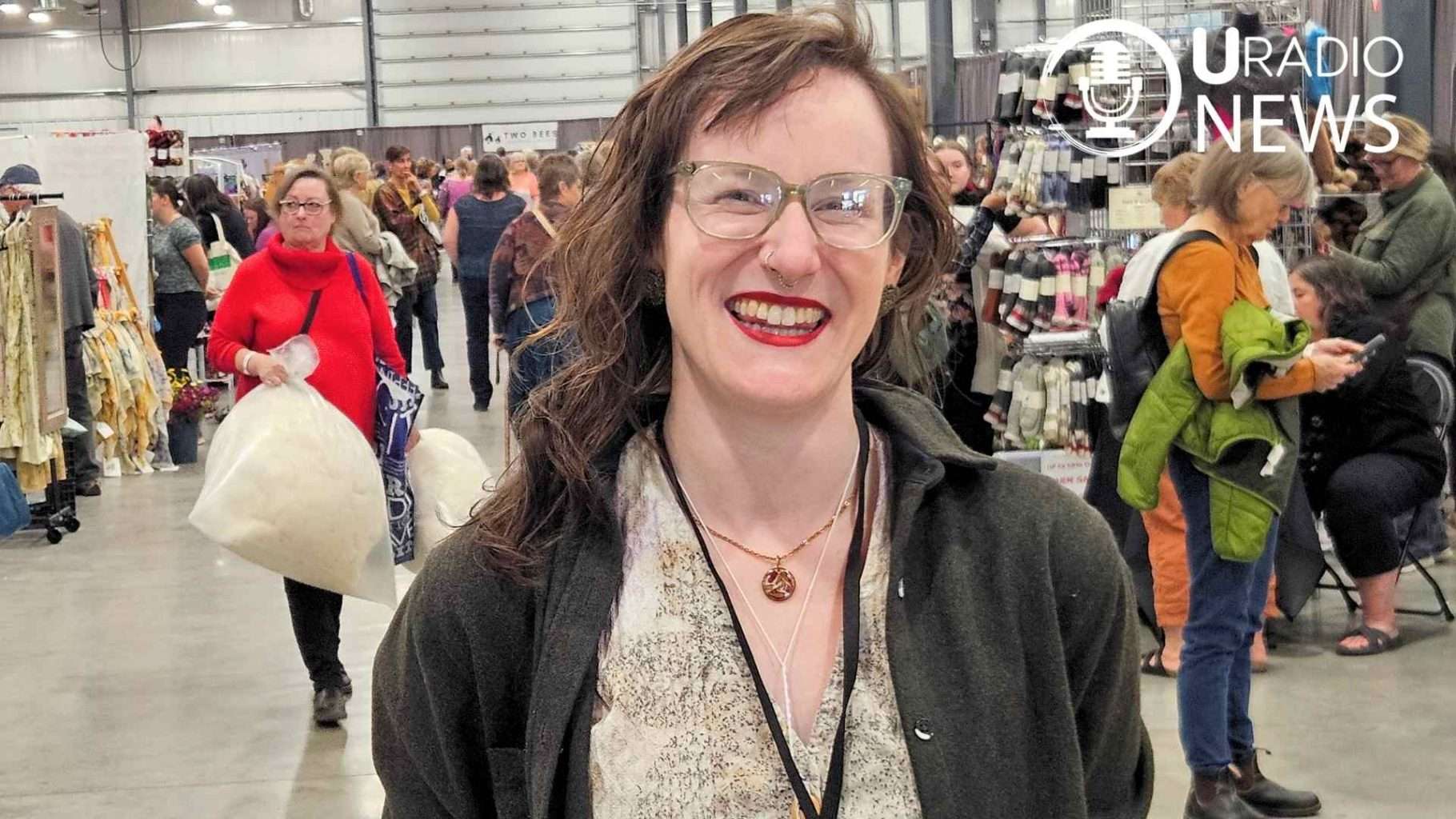
Bauer isn’t the only one experiencing the fears of rising costs. Ash Alberg, Media and Marketing Coordinator and Board of Directors of the Manitoba Fibre Festival, said both farmers and small business owners are angry, unsure what their futures hold. Alberg said they are feeling the impacts of the tariffs themself.
“I’ve got over 55 per cent of my customers are in the States, and a bigger amount of their revenue actually comes from those 55 per cent. So not being able to ship to the states is directly impacting my ability to live my life like it’s my business, is my full-time job and my sole source of income. So to suddenly lose over half of that and also to lose it in a way where even if it changed tomorrow, we’ve seen over the months that the administration in the States is not one that we can trust.”
The festival was also an opportunity to examine the challenges and opportunities facing Canada’s wool industry. Each year, the country produces about 3 million pounds of wool, yet more than 90 per cent is exported for processing, while most of what Canadians consume is imported. “We’ve lost our infrastructure,” said Anna Hunter, a Manitoba farmer and small business owner. “We lack the manufacturing facilities, labour, and knowledge on how to effectively manage our domestic wool industry.”
However, Hunter said it doesn’t have to stay that way, with efforts underway to revive wool production in Canada and Manitoba, including the construction of two wool mills. “We have thriving events like this that are creating that connection, that are trying to connect to the local sources of wool. And I have a real opportunity to build the industry and develop rural community economics in different communities throughout Manitoba.”
Bringing people together is also a learning opportunity, explained Alberg, with information sessions and demonstrations that teach people where their clothing comes from. “Clothing is also agricultural. You know, we’ve been so separated from it that people can forget that. But clothing is, at its core, an agricultural product as well. So all of those things that we think about when we think about local food movements and the sustainability of food also apply to textiles.”
For Bauer of Apothecandy, government support is key to making local production viable. “I raise my own goats, I grow my own plants. This is Canadian-made. But figuring out how to prove that as a small business is hard,” she explained. She hopes policies will make it easier to certify and promote Canadian-made products.
Despite tariffs, rising costs, and uncertainties, the festival left participants with a sense of joy and community. “Maybe people learn a new skill, maybe they make a new friend, maybe they completely change their life,” said Alberg. “But I hope, if nothing else, they leave with a smile.”
– Ryan Funk, U Multicultural