Strong Hearts: Zoongizi Ode’s Fight for Family Unity and Systemic Change
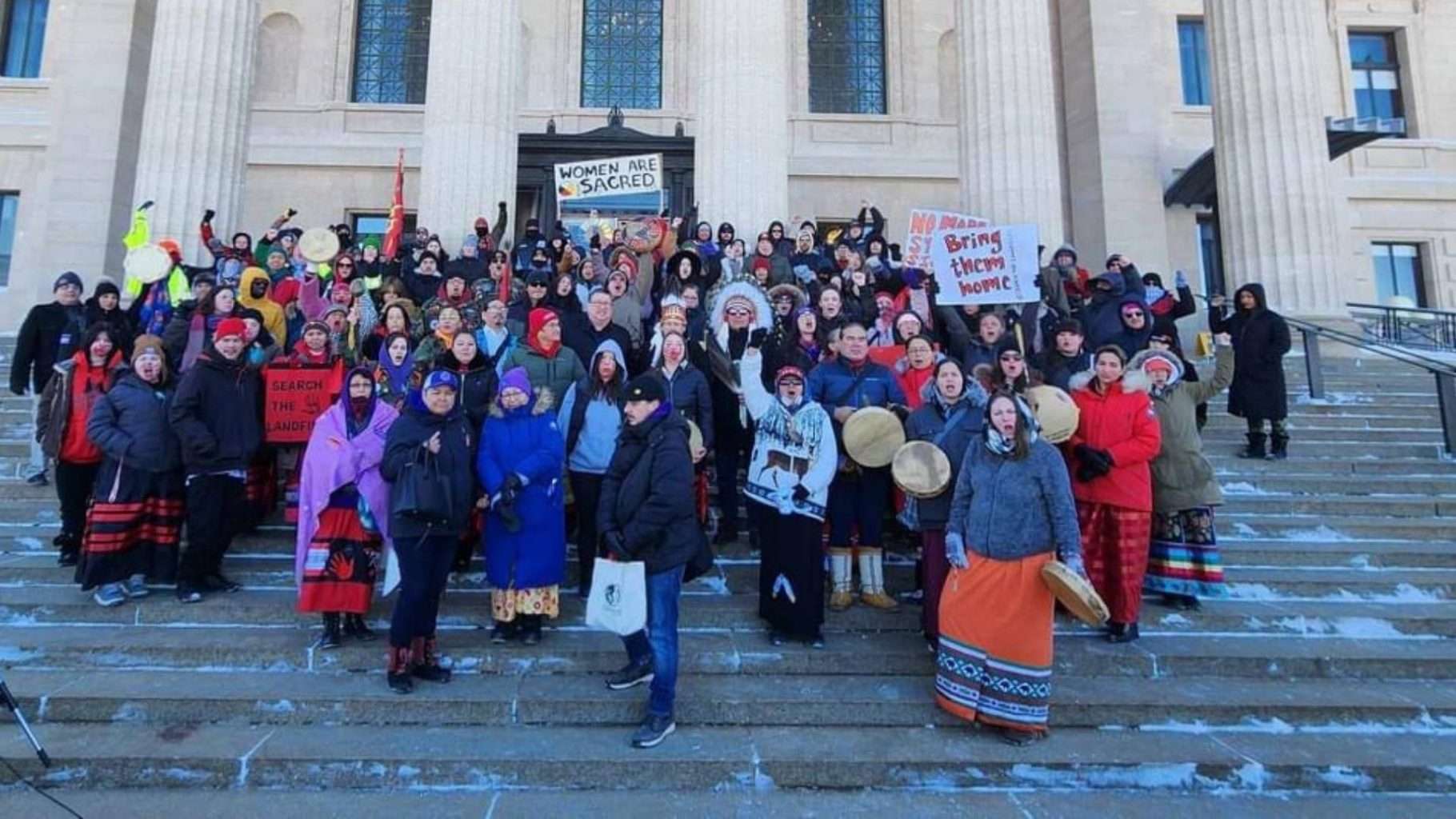
Roughly translating to “Strong Heart,” Zoongizi Ode Inc. fights to keep families together and empower youth and Manitoba from all walks of life impacted by systems which cause harm.
The Winnipeg-based organization, formerly Fearless R2W, Zoongizi Ode, through advocacy, education, and support, helps individuals navigate these complex systems, such as Child and Family Services (CFS). However, their goals aren’t just to support but to change these systems for the better. Founder and Executive Director Mary Burton says these systems aren’t flawed but are working precisely as intended. The child welfare system’s structure, she argues, is designed to maintain socioeconomic disparities rather than alleviate them.
“The system isn’t broken. It isn’t flawed. It is working exactly the way the government wants it to. It is to be exactly what the government wants. It is holding people down. It is holding families down. It is holding down the poor. So, a lot of people disagree with me about that, but I’ve been doing this for over 30 years.”
According to Burton, who closely looks at legislation, many of our laws haven’t been changed for nearly a century.
“The CFS act was changed last year, fundamentally changed last year in July, but before that, it was the same child welfare laws that we were dealing with in 1929. So You’re following the same outdated rules and regulations that they used in 1929. They finally quietly changed the CFS Act in July of last year and didn’t tell anybody that they had done this. They just did it.”
These laws continue to reflect a dated understanding of family dynamics and social support, but they fail to adapt to modern needs.
For Burton, outdated legislation is just one of the systemic failures of CFS in supporting families effectively. Many families end up in the system due to poverty, compounded by inadequate support structures. Employment and Income Assistance (EIA) rates have remained stagnant for decades, leaving families struggling to make ends meet. A single individual on EIA receives only about $100 every two weeks, which is insufficient for basic living expenses. Burton criticizes the government for failing to adjust these rates to reflect the current living wage, which she estimates to be around $19 per hour, stating, “The safety net isn’t meeting people’s needs.”
She also points out the troubling transition for youth aging out of care, who often face homelessness or are pushed into the justice system.
“We work with youth who are aging out of care. So that means that if a youth is turning 18 and they’re about to age out of care, we step in. We have a youth advocate who helps some find resources that they need or that they want. We also will look in, or if the youth is 21 and aging out of care, they’ve been in, in, in an extension of care, and they still don’t know whether they’re coming or going or what they’re going to need.”
This systemic neglect leads to a vicious cycle of poverty, crime, and continued reliance on social services, which perpetuates the struggles of already vulnerable populations.
Part of Zoongizi Ode’s role is to bring attention to the systemic racism inherent in our systems, particularly affecting Indigenous communities. Burton says individuals are treated as mere statistics within a bureaucratic framework, often leading to a lack of empathy and understanding from service providers. In her opinion, the government has not honoured treaties made with Indigenous peoples, contributing to ongoing socioeconomic challenges.
Zoongizi Ode doesn’t tell communities what they need; through the operation of three councils, youth, grandparents, and caregivers, that convene monthly, Zoongizi Ode learns what communities and families require to succeed.
“We ask them to tell us what they need for us when they tell us what they need. We go out and look for those resources that they need for the next month, or if they need them immediately, we go,” says Burton. “We start, and then we get their call and their contact information. We may help them find the resources that they need to help them, either with clothing or with housing or with money. We try and find them those resources so that they can be able to say, okay, now I’m okay.
The organization also focuses on long-term aftercare for families reunified after child welfare interventions. “Once they’re reunified, we don’t just leave them alone,” ensuring they have access to counselling, parenting programs, and therapy to heal from the trauma of family separation. This ongoing support significantly reduces the likelihood of children re-entering the system, demonstrating the effectiveness of sustained care.
By advocating for systemic change while offering immediate, tailored support, Zoongizi Ode strives to uplift those often overlooked, empowering them to transition from mere survival to stability.
– Ryan Funk, U Multicultural