










Thousands of Manitobans have had to evacuate their homes and communities, fleeing the wildfires that have ravaged the province. There is positive news, as some communities are now returning home.
However, a majority of individuals remain displaced, and in emergencies like this, often, our four-legged companions are forgotten. The Winnipeg Humane Society has partnered with the Canadian Red Cross and Humane Canada to provide emergency care for pets displaced alongside their families.
“We opened up a temporary pop-up shelter at the Saint Norbert Community Centre, where people could bring their pets, and we could provide them the same care and comfort that they would get here at our Hurst Way location,” explains Carly Peters, Director of Communications and Marketing at the WHS. “Also, families can go and visit their animals, take them out and spend some time with each other so that bond wasn’t broken.”
Thirty-four animals have come through the shelter. Currently, there are 26 dogs and cats, along with a few puppies. Some reunions have taken place as families return home.
Peters says this was made possible with the help of volunteers and an outpouring of community support. “It was an amazing effort from our team, in our community, the amount of donations that we got in terms of supplies was just overwhelming you as you’re probably as you’re walking through our parking lot, you probably saw those two big shipping containers beside our building. Those are full of donations of food, kennels, toys, blankets. We have over 5000 puppy pads that were donated. It was incredible. And we couldn’t have done it without our community.”
The work WHS does takes place throughout the year, with the shelter supporting more than 10 thousand animals through adoption, medical care, and a range of community programs. Peters says all their efforts are aimed at preventing animals from entering the shelter system in the first place. Last year alone, the shelter took in over 7,100 animals and adopted more than 5,000. Peters says cost of living and situations outside an owner’s control are contributors to surrenders.
“Veterinary care, that would be the number one reason we are seeing surrenders. I would say the numbers are roughly around 75 per cent of owner surrender of dogs, and about 50 per cent of owner surrenders of cats have been because people can’t afford vet care. You know, the lack of pet-friendly housing is also another reason we’re seeing an increase in surrenders. Manitoba has a very small portion of affordable. That would be the main thing. Affordable, pet-friendly housing.”
This unfortunate reality means the shelter has remained full. To care for those animals and find them new homes, the WHS requires support. That’s why creative fundraising efforts like Pets on Pints come in, a collaboration with local brewery Good Neighbour.
“We had always kind of toyed around with like, oh, it would be really cool to do like a beer, but obviously very hard to do as a shelter. We don’t know anything. So, we connected with Good Neighbour, and our values just align with that community response and love of local, and it was just really a great fit. So, we did it last year. We had an insane response.”
With over 1,400 entries last year, the campaign raised crucial funds while bringing the community together around their shared love of animals. Pets on Pints has pet lovers submit photos of their animal companions for a chance to be featured on a limited-edition beer label. Each vote is just $1, and all proceeds go directly to WHS programs.
But Peters explains that financial support is just one way to help. Adoption has the biggest impact. “We say an adoption; you are basically saving two animals because you take one home for your own family, but you make space in the shelter for another to come in.”
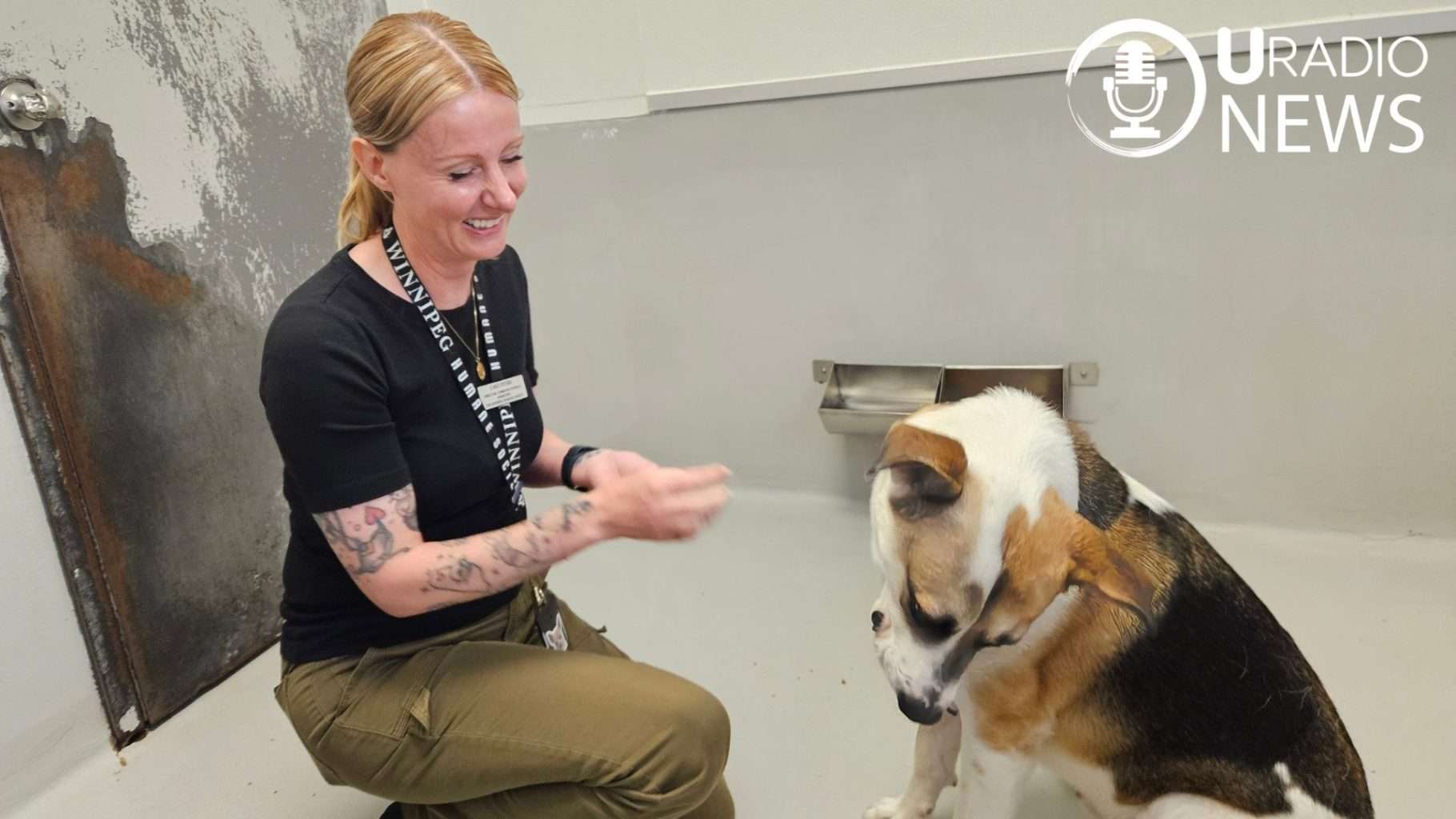
If people aren’t ready to adopt, Peters says fostering is another option. This time of year is especially crucial as there are many kittens, puppies, and pregnant animals that require a safe space to stay. People can also help out by sharing social media posts, as it’s one of the best ways to connect animals to future families. Animals like Rambo who have been at the shelter for over 100 days. Peters says challenges can appear for animals who have to be in extended care.
“For their own mental health and well-being, the longer they’re in shelter, the higher the stress. You start to see a little bit more behavioural challenges and, you know, and then that sort of perpetuates the cycle, too. So people see that they’re here longer and they go, well, there must be something wrong with them, which is not the case at all. It’s again, a victim of circumstances that haven’t met the right family.”
Peters says that no matter how you choose to get involved, every action adds up, and can be the difference in a pet’s journey.
– Ryan Funk, U Multicultural