


During Emergency Preparedness Week, the Manitoba government encouraged residents to be prepared for emergencies following the launch of the MB Ready app. This app is designed to provide real-time, location-based alerts for severe weather, wildfires, road closures and other emergencies.
“Planning makes a real difference during emergencies, and this app will help keep Manitobans informed with clear, accessible and up-to-date information,” said Minister of Transportation and Infrastructure, Lisa Naylor.
But how does one even begin to prepare for an emergency?
Jason Small is a spokesperson with the Canadian Red Cross in Winnipeg. He said to start thinking way before a crisis has even happened. “The big thing is we really want all Canadians to prepare for an emergency when there’s not an emergency happening. That’s really the biggest thing, and I would say that’s the best time to work on being prepared is when you’re not at risk of a potential emergency.”

Manitobans face a range of potential emergencies throughout the year, from wildfires and flooding to blizzards and power outages. “We really encourage people to know what the biggest risks are in your community and where you live,” Small said. Households should also consider the risks inside the home, such as fires or localized flooding.
However, the central part of preparedness is having a clear family plan. Small said what’s most important in an emergency is communication and coordination. “What are you going to do in case you have to evacuate? How are you going to evacuate if, say, some members are home, and some are not? How are you going to reconnect?”
He advises establishing an out-of-town contact and identifying safe meeting locations, ensuring families can reconnect quickly during chaotic situations.
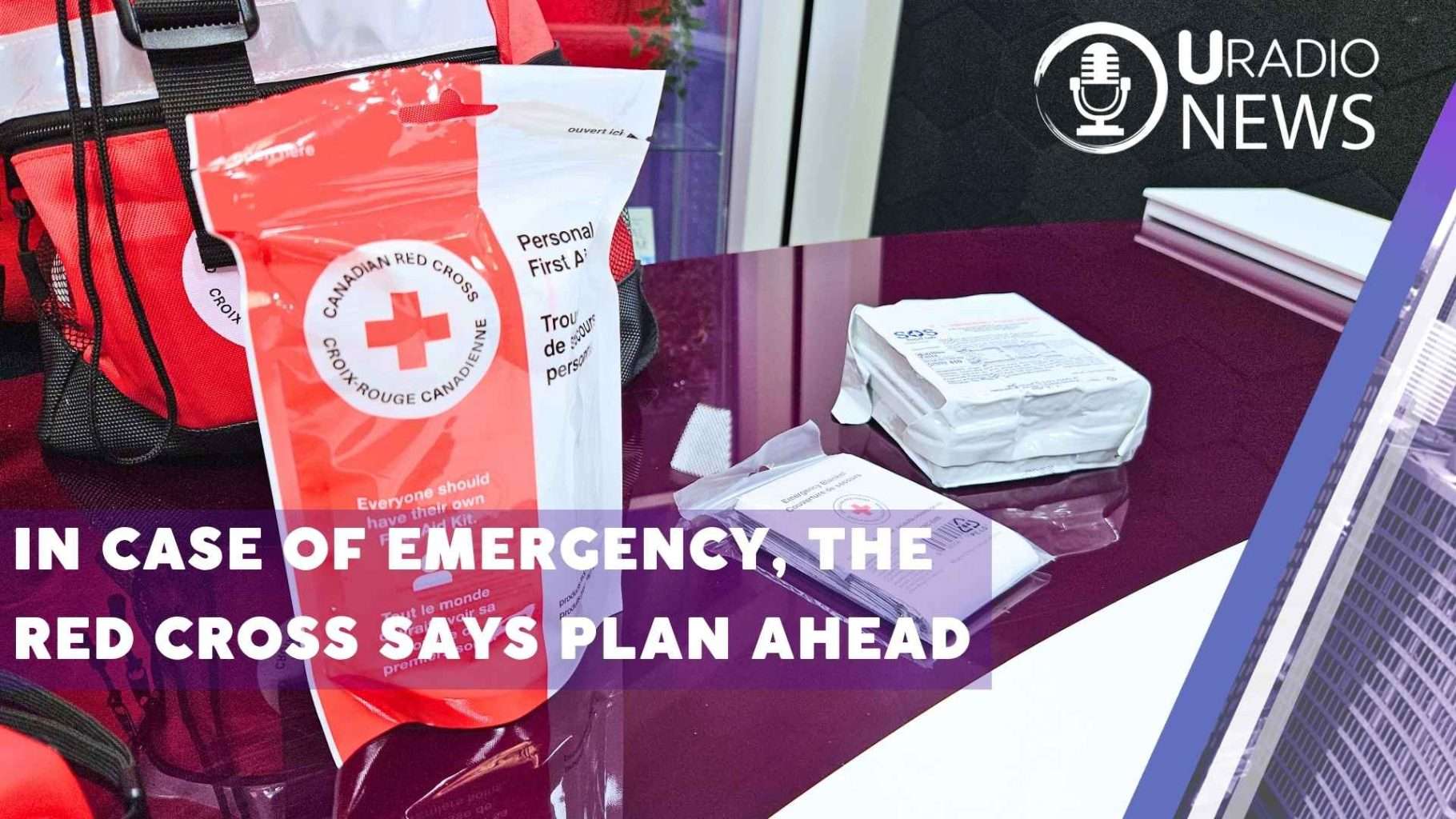
Another “tool” in the preparedness “toolbox” is an emergency kit. While emergency kits can be purchased online or created using a Canadian Red Cross guide, Small recommends that each family tailor their kit to support their household’s unique needs.
“Consider things like nonperishable food. Some kits have those ration kits. If you know you or your family are not going to eat that, don’t put it in there.”
But there are essentials you want to include, said Small, such as water, nonperishable food, a flashlight, a radio, important documents, a first-aid kit, and personal items like medications or pet supplies.
“Just think about what you would need for 72 hours. That’s usually the time frame we say when you’re building that kit. Think that you’re going to need that for three days.”
Preparedness is also about preparing mentally. Small says the Red Cross offers first aid and psychological support training to help people cope during and after emergencies. “The mental health aspect of emergencies is very real. And people can be badly impacted in terms of mental health because of a disaster. So that’s just something else to consider.”
But equally important, through all your planning, is communty connections. “We also want people to build a network in your community… so that you can all work together in a disaster.”
For those interested in learning more about preparing for emergencies or developing the skills they need to support themselves, family, or their community, more information can be found at redcross.ca.
– Ryan Funk, U Multicultural


