




Storytelling is at the core of what it means to be human. Discussions around the dinner table, tales around the fire, and through the power of videography, people have been able to share stories with an audience around the world.
Kevin Settee is a talented photographer, filmmaker, and storyteller. Settee is an Anishinaabe and Cree man from Winnipeg who tells his community’s stories through his four-part documentary series, The Lake Winnipeg Project. His grandmother, Dorothy Settee, inspired Settee’s curiosity and love for photography and film. She was an artist who quilted and created star blankets and moccasins, and Settee remembers she always had her camera on her.
“She documented me and my cousins, our life in Winnipeg, but also mostly out on the land. What she used to do was create photo albums for us, and we would have access to photo albums of our time spent at Matheson Island and at different beaches and different places around Lake Winnipeg. So, my grandmother really inspired me.”
However, it wasn’t until Settee’s exposure to conflict-based documentaries, such as those about Israel/Palestine and Eastern Ukraine/Russia, that drove him to document the stories from his community, leading to the founding of Red Rising magazine, which aimed to elevate Indigenous voices across Canada. This passion eventually led to filmmaking, including climate change documentaries in the prairies and The Lake Winnipeg Project.
Community-based storytelling is at the core of Settee’s works, ensuring that Indigenous people tell their own stories rather than outsiders’. Non-Indigenous allies can help by providing training and resources, but true storytelling must come from those within the community.
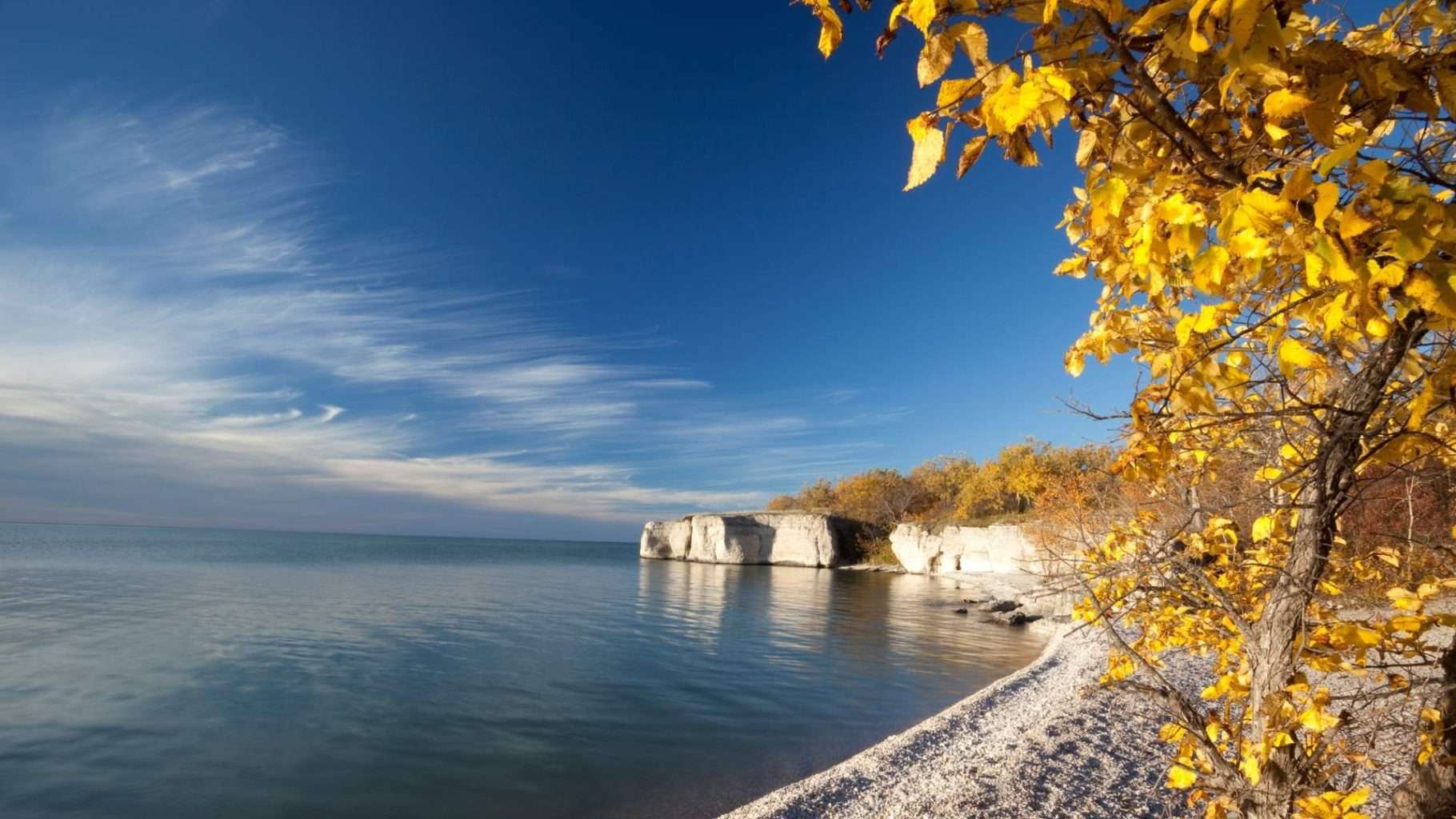
The Lake Winnipeg Project, a four-part documentary, focuses on issues impacting Lake Winnipeg, told in collaboration with local communities. Lakes and water are vital to sustenance and are a way of life for many. Having grandparents who took him out and raised him on the land, Settee has not only heard of the decline of the watershed but has seen how the fragile ecosystem has suffered significant damage over the years, affecting not only animals and the environment but the people who rely on it.
“People 40 years ago used to be able to drink out of the lake,” says Settee. “They would take a cup and drink; you can’t do that anymore. Some people don’t even eat fish from certain areas on the lake because it’s so damaged. So, the idea behind the Lake Winnipeg project was actually to work with the communities to tell the stories that they wanted to tell.”
For Settee, the spiritual disconnection from the land has contributed to its ecological neglect. He believes that commercial and private interests using the land as a commodity will continue to escalate climate change and the impending climate disaster. If action isn’t taken, growing disasters like hurricane Helene, which devastated the southeastern United States, and the impending hurricane Milton will become more frequent.
Under current projections from the National Oceanic and Atmospheric Administration 2023 Annual Climate Report, the average combined land and ocean temperature has risen by approximately 0.11°F (0.06°C) per decade since 1850, amounting to a total increase of about 2°F. Notably, the warming rate since 1982 has accelerated to more than three times this earlier average.
However, if climate change and temperatures continue, disastrous storms will only be the beginning of concerns about what is to come.
Approximately two billion people around the globe lack access to safe drinking water (SDG Report 2022), and about half of the world’s population faces severe water scarcity for at least part of the year (IPCC). These figures are projected to rise, worsened by climate change and population growth (WMO).
Only 0.5 per cent of the water on Earth is usable and available freshwater, and climate change is significantly threatening this vital supply. Over the past two decades, terrestrial water storage—including soil moisture, snow, and ice—has decreased by about 1 cm per year, seriously affecting water security (WMO).
Even here in Canada, where many feel we have an endless supply of fresh water, we will begin to feel the effects of the changing climate. According to the government of Canada, although Canada possesses about 20 per cent of the globe’s total freshwater resources, less than half of this amount (7 per cent) is considered “renewable.” While this supply is still significant, it is heavily utilized and often under considerable strain.
“Water is one of the main things that we need to survive,” says Settee, and if we don’t protect it, like, we’re screwed.”
However, Settee believes things aren’t hopeless, and voices like Autumn Peltier are crucial in advocating for water and environmental protections. Many Indigenous communities are some of the first to experience disasters and challenges associated with climate change, and it’s Settee’s belief that there’s much we can learn from Indigenous experiences and knowledge to make positive changes, marrying traditional practices with modern science.
“We’re accustomed to the natural cycles of our environment. We know when to hunt and fish, where the fish will be at different times of the year, and where the birds will nest. We understand when berries will grow and how to harvest them. However, due to climate change, all of this is shifting. Western science often relies on data that spans only a few decades. Their knowledge is quite limited in many cases, such as with forest fires. Indigenous peoples, on the other hand, have lived in harmony with these lands for tens of thousands of years.”
Settee hopes that through his works, he will open awareness and dialogue between people. For him, the changes to the world can’t be solved alone, and only through collaboration and community can the world be transformed for the better.
– Ryan Funk, U Multicultural