










The University of Manitoba’s first BioBlitz is helping people rethink how they relate to the ecosystems around them.
Held from May 11–15, and part of the larger Campus Landscape Series, the event brings students, staff, and community members together to document the plants, insects, and birds that call campus home. By snapping photos and uploading them to the iNaturalist app, these “citizen scientists” are creating a better picture of the biodiversity on campus.
Jo-Anne Joyce, a long-time biologist and advocate for native plants, said this can help track change and identify threats before they spiral out of control. “It’s a way of taking a snapshot of the life around us that we often don’t notice,” she said, “and whether plant species or an insect species are declining over time.”
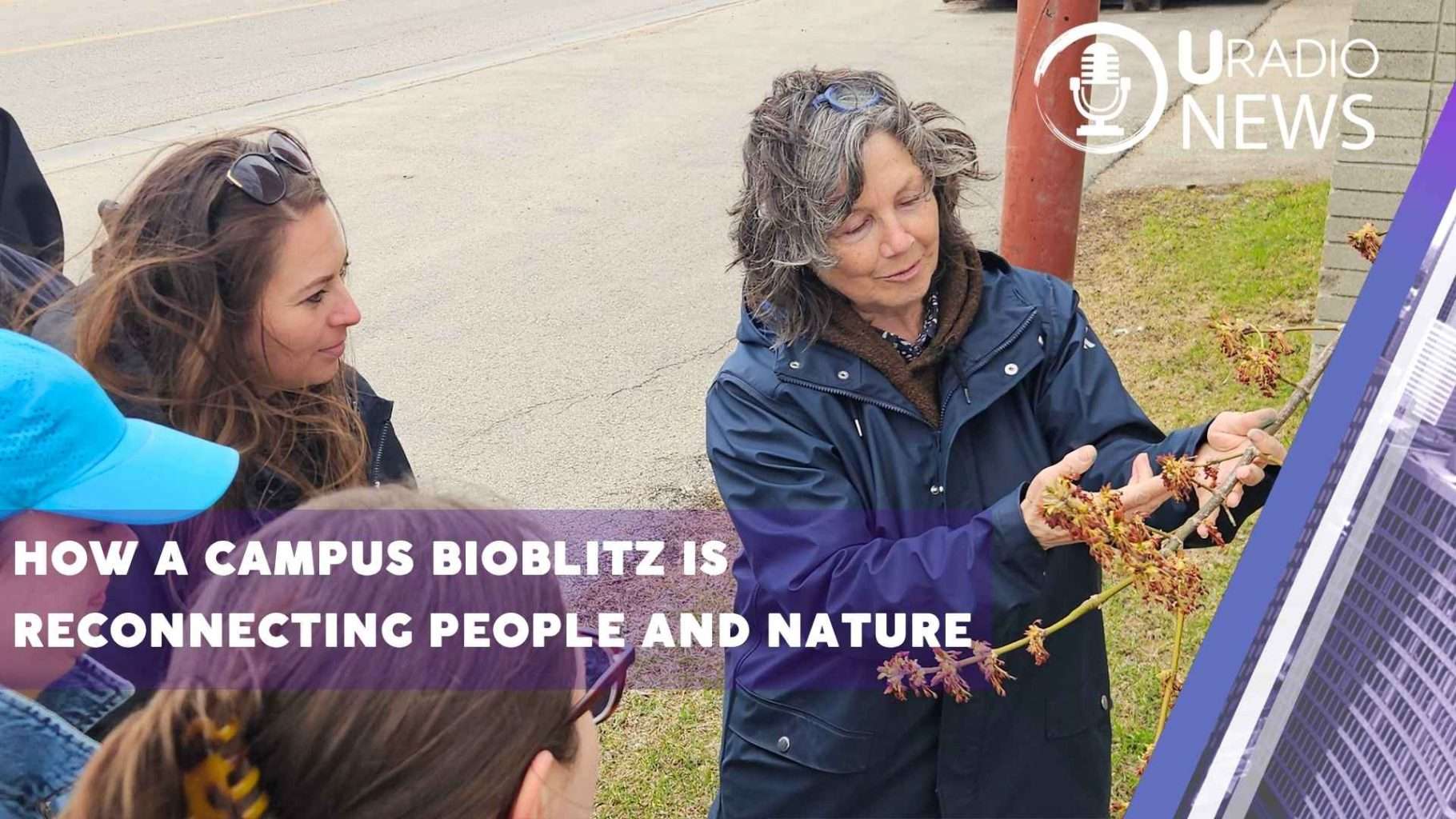
As part of the BioBlitz event, three sessions were held to provide greater context for what people are identifying. On May 12, Joyce hosted a session on plants; on May 13, Insects with Jason Gibbs; and on May 14, Birds with Kevin Fraser. Data collection is an important part of the BioBlitz. However, for those brave enough to spend their lunch break during the cold, windy session with Joyce, she wanted to instill a personal connection to the plants and animals around us.
“These are your neighbours. You know, every plant, every insect, every little critter is part of the ecosystem to which we all belong. And it’s about supporting that.”
During that hour-long outdoor session, participants witnessed a myriad of plant life beginning to bloom after this long, cold spring. There was a plethora of animals scampering through the trees and bushes. Sparrows, geese, rabbits, squirrels, hawks, and the telltale sign deer had been in the area.

Associate Professor, Department of Entomology
That sense of connection is critical at a time when biodiversity loss is accelerating. Habitat destruction, pesticide use, and climate change are all contributing to species declines, and their consequences are interconnected. Pollinators, in particular, are especially susceptible to these changes. When those populations are disrupted, the relationship between plants and pollinators quickly falls out of balance.
Dr. Jason Gibbs with the Department of Entomology said that when pollinators fade, it will have a direct impact on us. “If you like blueberries, if you like strawberries, if you like apples, cherries, all those sorts of things are going to be really dependent on insect pollinators.”
According to Gibbs, many Manitoba crops are actually wind-pollinated. Wheat plants, for example, have self-compatible pollination systems. Pollinators aren’t essential for improving yields, he said, noting that canola only improves by a few percentage points. Although pollinators don’t play a huge role in some of our foods, their loss would still have a tremendous impact.