









Human trafficking is a serious issue affecting communities across Canada, yet many cases remain hidden. Behind every statistic are real people, survivors, and families impacted by exploitation, trauma, and the challenges of finding support.
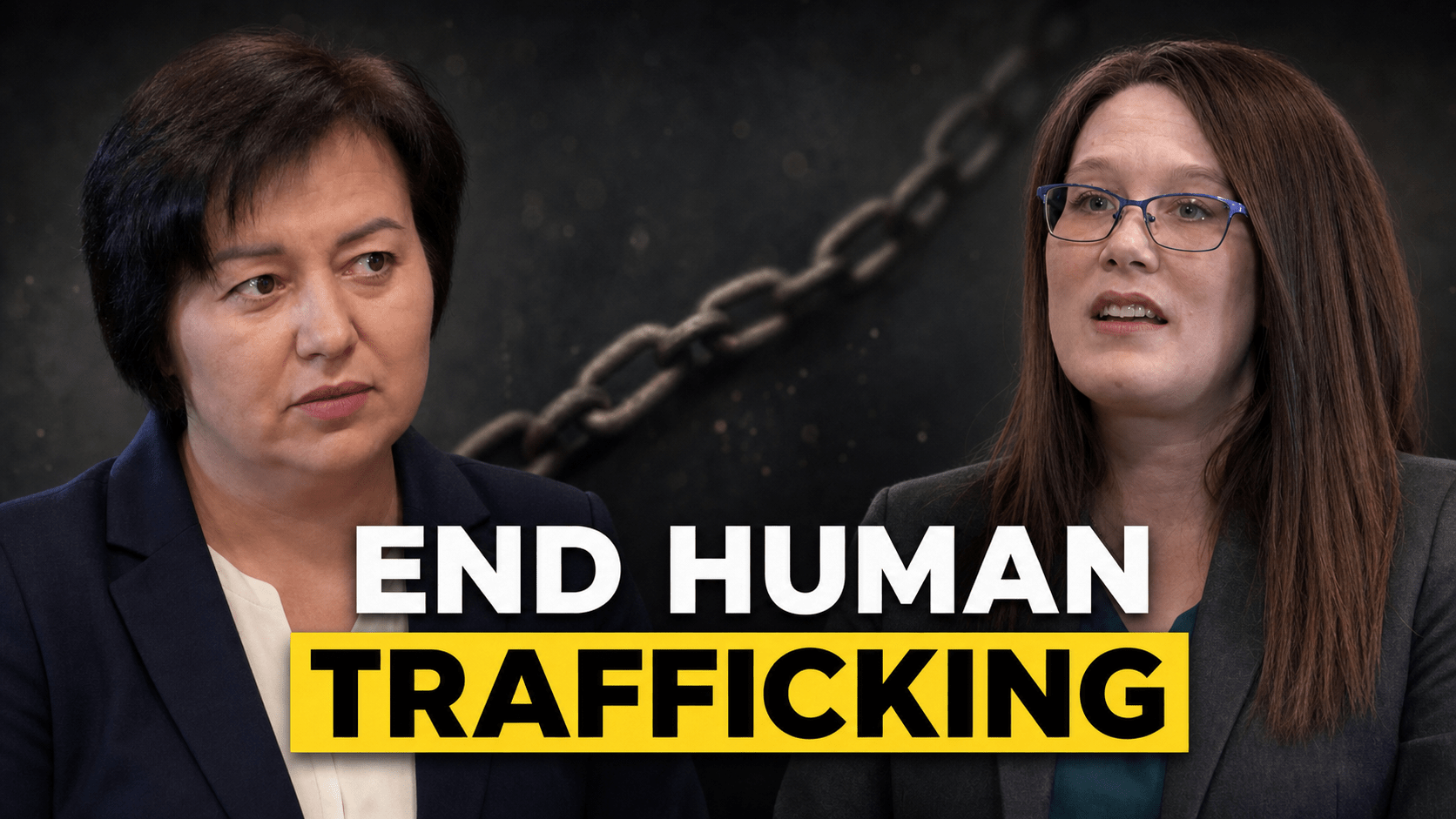
In this episode of Health Connect, host Ruslana Kharkovenko speaks with Dina Unger, a survivor of human trafficking and co-founder of Even for One, about her personal journey, the realities of exploitation, and the importance of awareness, education, and community support.
Dina has spent more than 20 years working to prevent human trafficking and support survivors. Her passion for this work comes from her own experience as a survivor and from her commitment to helping others recognize exploitation, access resources, and begin their journey toward healing.
Understanding Human Trafficking
Human trafficking is often misunderstood. Dina explains that it involves the use of force, fraud, or coercion to exploit a person. Exploitation does not always look the way people expect — it can involve manipulation, control, emotional dependency, or the exchange of goods and services.
Many survivors may not immediately understand that they are being exploited. In many cases, trafficking begins through relationships where trust is built before control and abuse occur.
Dina emphasizes that human trafficking is not always committed by strangers. Often, traffickers create relationships, identify vulnerabilities, and use those vulnerabilities to manipulate individuals.
The Hidden Numbers Behind Human Trafficking
Although official statistics provide important information, Dina explains that reported cases represent only a portion of the reality.
Many survivors do not report their experiences because of fear, shame, trauma, or because they may not recognize themselves as victims until much later.
She also highlights that men and boys can be affected by human trafficking but are often underrepresented in statistics because many do not feel safe speaking about their experiences.
Children, Youth and Online Exploitation
A major topic discussed in the interview is the growing risk of online exploitation.
Children and youth can become vulnerable through social media, online games, and digital communication platforms. Exploitation often begins with someone building trust, creating emotional connections, and making a person feel understood and supported.
Dina explains that education is one of the strongest tools parents have to protect their children.
She encourages families to talk openly about boundaries, consent, and safety. Teaching children that they have the right to say “no” and that their feelings matter can help them recognize unhealthy situations and seek help.
Supporting Newcomers and Vulnerable Communities
Newcomers to Canada may experience additional challenges, including language barriers, financial pressure, isolation, and limited knowledge of available resources.
Dina encourages communities to create safe spaces where people can ask questions, share concerns, and access support without fear.
She also highlights the importance of culturally appropriate resources and community connections, especially for those who may feel alone after arriving in a new country.
Healthcare and Recovery After Trauma
Survivors of human trafficking often face complex physical and mental health challenges.
Dina explains that healthcare providers and support workers need trauma-informed training to better understand survivors’ experiences and create safe environments for receiving care.
Mental health support remains one of the biggest needs for survivors. Leaving an exploitative situation is only the beginning of recovery. Trauma can continue affecting individuals for years as they rebuild their lives.
Healing requires long-term support, understanding, and access to resources that recognize each survivor’s unique journey.
Even for One: Connecting Survivors With Support
Dina Organ is the co-founder of Even for One, an organization focused on connecting the anti-trafficking movement through technology, education, and advocacy.
The organization is developing BridgeOne, a platform designed to help survivors find appropriate resources and connect with organizations that match their individual needs.
The goal is to ensure survivors maintain choice and control throughout their recovery journey while receiving the support they need.
Dina explains that every survivor’s story is different, and support should be centered around the individual person.
A Message of Strength and Hope
During the conversation, Dina shares a powerful message for anyone experiencing exploitation or living in fear: help is available, and recovery is possible.
She encourages communities to look beyond the word “victim” and recognize the strength, courage, and resilience of survivors.
Survivors are not defined only by what happened to them. They are people rebuilding their lives, caring for their families, and creating hope for the future.
Through conversations like this, Health Connect continues to raise awareness about important health, safety, and community issues affecting people across Manitoba and Canada.
If you or someone you know may be experiencing exploitation or human trafficking, reaching out to trusted organizations and support services can be the first step toward safety and recovery.
Mariia Burdiak, U Multicultural