The Manitoba Government will undergo a pilot project to translate the Hansard, the official transcript of government proceedings and debate, into the seven Indigenous languages used in Manitoba. The translation from the French and English legislation will begin with Anishinaabemowin (Ojibwe).
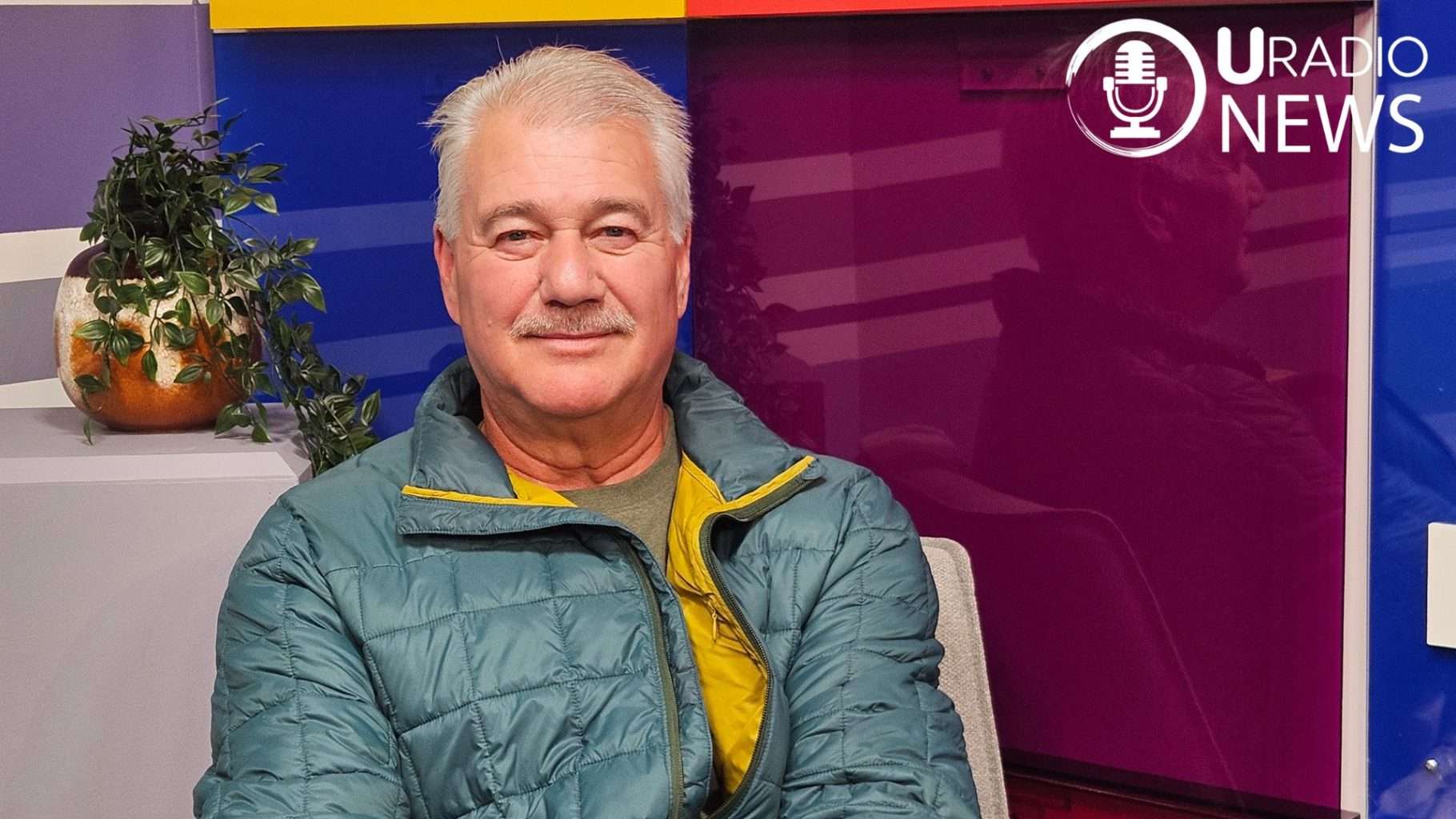
However, a fluent Anishinaabemowin speaker is hesitant about the project’s intentions. Robert Maytwayashing, who has worked to preserve his Anishinaabe culture and language, said time will tell if the government is serious about this endeavour.
“I’m sorry, but I’m cynical when it comes to anything with the government,” he said. “To me, it’s all about optics—about appearing to do something about saving Indigenous language while ignoring their responsibility for its decline in the first place.”
Premier Wab Kinew announced the project on National Indigenous Languages Day. He stated that this initiative would generate significant Indigenous language text, aiding language learners, teachers, and artificial intelligence researchers in preserving and revitalizing these languages. He added language experts would work together to create accurate translations, which could include coining new words and phrases.
Maytwayashing believes this could be a significant hurdle due to the complexity of translating Indigenous languages into a written form. Unlike English or French, Anishinaabemowin and other Indigenous languages do not have standardized dictionaries, and dialect variations can lead to inconsistencies.
“There is not a common dictionary when it comes to our language. So there are different dialects and all this other stuff involved. And when you’re writing something down, which dialect? Some are very lengthy. A word can be lengthy, or, because of colonization, it’s been bastardized and shortened to the point where a lot of it is slang now.”
The Manitoba government’s plan includes hiring two Indigenous translators as a start for the project. Maytwayashing warned of the challenges these translators will face. He said language is deeply tied to worldview, and if translators primarily think in English, their translations might not reflect authentic Indigenous perspectives.
“When you think, what language do you think, and what language do you dream in? That will have a direct bearing in relation to how you see the world around you. So if you have translators out there where English might be their first language, when they think of things or see the world around them, they’re going to be coming at it from a colonial perspective. So, by doing that, they’re also going to miss a lot when it comes to those translations. That has been my experience.”
Despite his skepticism, Maytwayashing acknowledged that some individuals within the government might genuinely want to create change. However, he remains doubtful about the long-term commitment, as policy and initiatives often change with governments after elections. “Right now, the NDP government is behind this project. But in the future, if another party takes power, will they still honour this initiative?”
The government will develop the Anishinaabemowin translations this spring, and after what Premier Kinew said will be a successful pilot continue with the languages of the Dakota, Cree, Anisininew, Métis, Inuit, and Dene Peoples. U Multicultural contacted the Legislative Assembly of Manitoba for comment but did not receive a response.