
Skip to content
U logo png text white Art and Music Therapy for Mood Disorders: Cultivating Emotional Wellness

Art and Music Therapy for Mood Disorders: Cultivating Emotional Wellness

Art and Music Therapy for Mood Disorders: Cultivating Emotional Wellness

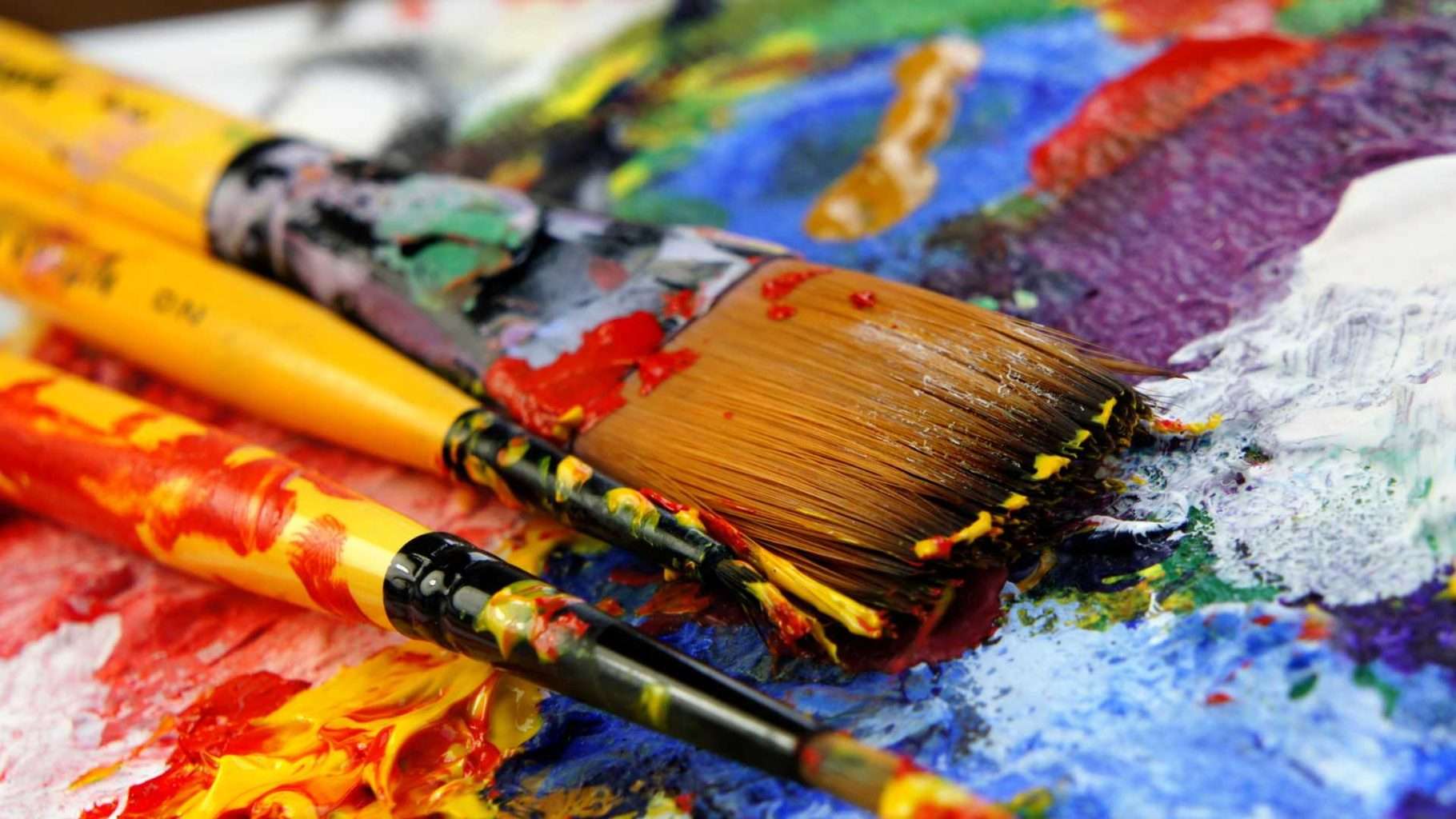
Within the world of mental health treatment, art and music therapies have emerged as potent tools for addressing mood disorders. The fusion of creative expression and therapeutic intervention provides individuals with a unique way to understand, cope with, and recover from conditions like depression and anxiety. Art and music therapy tap into our natural ability to express ourselves, offering a safe way to navigate complex emotions without needing to speak. This article explores the profound impact of art and music therapy on mood disorders, looking into how they work, the benefits they bring, and their importance in the wider landscape of mental health care.

How Art and Music Therapy Work

Art and music therapy are built on a powerful idea: engaging in creative activities can influence emotions, thoughts, and even the body itself. When a person creates art or engages with music – playing instruments or singing, for example – their brain releases dopamine, a chemical that brings pleasure and a sense of reward. This dopamine surge can counteract the effects of mood disorders, promoting a sense of well-being and even happiness. Additionally, these creative activities can lower the levels of cortisol, a stress hormone, leading to reduced overall stress and anxiety.

Art therapy often involves activities like drawing, painting, and creating collages. These activities let people visually express their emotions, giving shape to their inner world. For those who find it hard to talk about their feelings, visual art becomes a way to communicate. Similarly, music therapy uses rhythm, melody, and lyrics to offer a cathartic outlet. Playing instruments or engaging with music can trigger the brain’s emotional centers, helping to release and regulate emotions.

The Benefits of Art and Music Therapy

The advantages of art and music therapy for mood disorders are many. Firstly, they empower individuals to take charge of their emotions. By creating art or making music, people actively shape their emotional stories, regaining a sense of control. This is particularly important for those dealing with mood disorders, which often make them feel helpless.

Secondly, art and music therapy promote self-awareness. The process of creating prompts individuals to explore their feelings, triggers, and responses in a judgment-free space. This self-reflection can lead to insights into the root causes of their mood disorder symptoms, helping them develop better coping strategies with the help of therapists.

Furthermore, these therapies encourage social interaction. Group art or music therapy sessions build a supportive community, combating the isolation that often comes with mood disorders. Sharing creative processes and finished works in a group setting fosters a sense of connection and belonging.

Art and Music Therapy in Practice

Art and music therapy have found their place in various clinical settings, from individual therapy to hospitals and rehabilitation centers. Mental health professionals recognize the value of integrating creative therapies into treatment plans. While not standalone replacements for traditional methods like medication and talk therapy, they serve as potent additions that enhance overall well-being.

Adding art and music therapy to standard treatment can make therapy more engaging and appealing, especially for young people like children and teenagers. Creative methods might be more comfortable for them to express themselves compared to traditional talk therapy.

In Conclusion

In the complex world of mood disorders, art and music therapy shine as sources of hope. Their ability to unlock emotions, provide relief, and foster self-awareness shows the profound connection between creativity and emotional well-being. As we continue to uncover the mysteries of the human mind, these therapies offer a promising path for those seeking relief from the burdens of mood disorders. By nurturing self-expression and empowerment, art and music therapy illuminate a journey to healing that goes beyond words alone.

Graphic showing two people facing each other in a studio-style composition against a green blurred background with a light cross-shaped glow. Large white text reads “HOW TO DEAL WITH THE OVERWHELM OF,” followed by the word “UNCERTAINTY” in bold green text; a small red play button icon appears in the bottom-right corner and a circular “U” logo is visible in the top-right.

Winnipeg Wellness Ambassador Champions Mental Health

Navigating life’s unexpected detours requires resilience and a profound willingness to embrace change.

For Wellness Ambassador and former software consultant Magda Avah, the journey to Winnipeg, Canada, was a masterclass in adaptation. Originally arriving in Canada as an international student from Ghana to study Public Relations and Communication, her path quickly evolved beyond her initial blueprints. Like many newcomers, she faced the stark realities of Canadian winters and the quiet emotional toll of starting over. Continue Reading

Read More »
Two adults wearing eyeglasses are seated side by side in a library-like setting with shelves of books in the background. Large white text across the image reads, “SELF‑LEADERSHIP IN TIMES OF CHANGE AND UNCERTAINTY,” and a red YouTube play button icon appears in the lower right corner.

Why Your Brain Resists Success, and How to Rewire It

We are biologically wired for growth, yet paradoxically, our nervous systems are fiercely loyal to who we currently are. This creates a massive internal friction point whenever we step into new leadership roles, launch a business, or navigate major life transitions.

Kim Mintenko, an executive leadership coach, breaks down the hidden mechanics of self-doubt. When we hesitate to send that resume or speak up in a high-stakes meeting, it isn’t a lack of willpower; it is our survival mechanism interpreting the unfamiliar as an immediate threat.Continue Reading

Read More »
How Music Can Make Space for Voices Shaped by Trauma

How Music Can Make Space for Voices Shaped by Trauma

Content warning: This article discusses self-harm, suicide, and sexual assault. Healing often happens in ways we least expect. One can definitely find healing through clinical supports, as well as through creativity and connection. Music, in particular, has long been recognized as a strategy for people to express what feels unspeakable,Continue Reading

Read More »

Share this post with your friends

Subscribe to Our Newsletter

U Multicultural
Privacy Overview

This website uses cookies so that we can provide you with the best user experience possible. Cookie information is stored in your browser and performs functions such as recognising you when you return to our website and helping our team to understand which sections of the website you find most interesting and useful.